
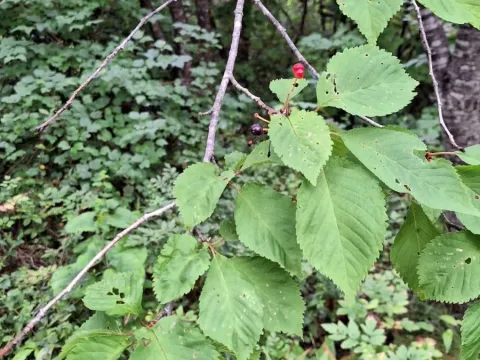
Maximowicz's cherry
Prunus maximowiczii Rupr.
Maximowicz's cherry (Prunus maximowiczii) is a deciduous tree belonging to the Rosaceae family, native to East Asia. It is widely recognized for its distinctive exfoliating bark and graceful crown structure, making it a popular choice for botanical collections and landscaping.
What the section contains
Maximowicz's cherry
The species is known for its cold hardiness, allowing it to thrive in various temperate climates. It prefers sunny locations with good air circulation to ensure optimal health and the development of its attractive foliage and flowers.
The ideal soil for this cherry is a deep, fertile loam with neutral to slightly acidic pH. Effective drainage is a mandatory requirement, as the roots are susceptible to rot in waterlogged environments.
Cultural practices include consistent watering during dry spells, particularly in the first few seasons after transplantation, and annual fertilization with a balanced mix to support vigorous growth.
Pruning should be performed during the dormant season to remove crossing or damaged branches, maintaining the tree's natural shape and improving overall structural integrity.
Like many members of the Prunus genus, this tree is prone to fungal pathogens such as brown rot (Monilinia) and cherry leaf spot, which can lead to significant defoliation if left unchecked.
Common insect pests include aphids and scale insects. These pests can weaken the tree by feeding on sap and excreting honeydew, which may foster the growth of sooty mold.
Regular monitoring of the foliage and stems is critical. Early detection allows for targeted intervention using horticultural oils or systemic insecticides, reducing the need for heavy chemical use.
Sanitation is key to disease management; all fallen leaves and infected twigs should be removed from the site to minimize the survival of fungal spores throughout the winter.
Maintaining high plant vigor through proper fertilization and watering is the most effective way to help the tree naturally resist infestations and recover from minor stresses.