
Roman hyacinth
Bellevalia romana
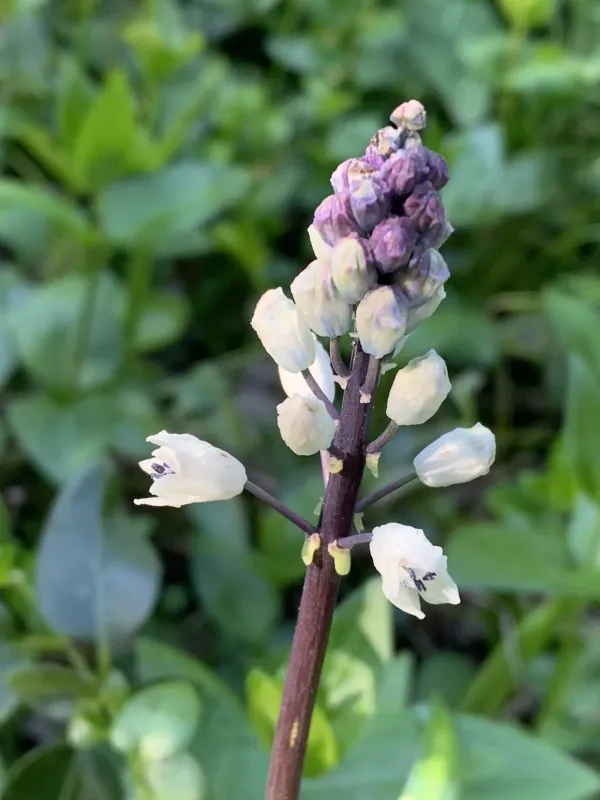
Description
Sowing dates
Planting of Bellevalia romana bulbs is traditionally conducted in early autumn, allowing the plants to establish a robust root system before the onset of winter dormancy.
The optimal depth for planting is approximately 8 to 10 centimeters, ensuring that the bulbs are protected from surface temperature fluctuations and potential frost damage.
Selecting an appropriate site is crucial; choose a spot that receives full sun or partial shade, as the plant thrives in well-lit conditions during its active growth phase.
Spacing is another critical factor; maintain a distance of at least 15 centimeters between bulbs to ensure adequate airflow and nutrient access for each individual plant.
When starting from seeds, practitioners must be aware that the process is lengthy and requires cold stratification, making direct bulb division a much more efficient propagation method.
Growing requirements
Roman hyacinth performs best in well-drained, loose, and fertile soil, as stagnant moisture is the primary cause of failure in most gardening environments.
While the plant is somewhat drought-tolerant once established, it requires consistent moisture throughout the spring season to support proper flower development.
The pH of the soil should ideally be neutral, and incorporating organic matter such as well-rotted compost can improve soil structure and fertility significantly.
Avoid planting in heavy clay soils unless they are heavily amended with grit or sand to facilitate drainage and prevent the bulbs from rotting in waterlogged conditions.
Exposure to full sunlight is preferred to ensure strong, sturdy stems and vibrant, dense flower spikes, which are the hallmark of this aesthetic bulbous plant.
Main diseases and pests
Fungal diseases, particularly root and basal rot, represent the most significant threat to the health of Bellevalia romana in garden settings.
These pathogens thrive in conditions characterized by poor drainage and high humidity, which can lead to the rapid destruction of the bulbous structures.
Pests such as bulb mites and various soil-dwelling larvae can penetrate the base of the plant, causing direct damage and facilitating secondary infections.
Preventative measures include treating bulbs with fungicides before planting and ensuring the chosen site has excellent drainage characteristics to minimize risk.
Regular monitoring of the foliage and surrounding soil can help identify early signs of stress or infestation, allowing for prompt corrective action.
Harvesting
Harvesting bulbs for storage is performed once the foliage has turned yellow and withered, indicating that the plant has stored energy for the next growing cycle.
Carefully dig up the bulbs in dry conditions, taking care to minimize mechanical trauma, as wounds can serve as entry points for rot-causing fungi.
Once lifted, the bulbs should be cleaned of loose debris and dried in a shaded, well-ventilated area until the roots and outer layers are sufficiently dry.
Proper storage involves keeping the bulbs in a cool, dark, and dry environment where air can circulate freely to prevent moisture build-up and decay.
Regular inspection of stored bulbs is advised to remove any softened or damaged material, ensuring that the health of the entire collection is maintained.