
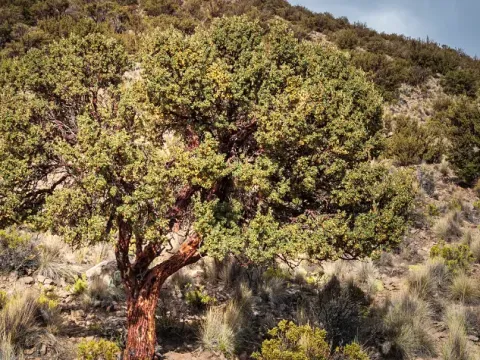
Polylepis
Polylepis
Polylepis is a genus of trees within the Rosaceae family, renowned for being one of the highest-altitude tree species in the world. These trees are essential components of Andean mountain ecosystems, providing critical ecological services in high-elevation environments.
What the section contains

Polylepis
The origin and primary habitat of these trees are the tropical high mountains of South America, typically growing at altitudes reaching up to 5,000 meters. They possess unique botanical characteristics, such as thick, exfoliating bark that acts as an insulation layer against extreme temperature fluctuations.
The climate requirements involve a necessity for intense solar radiation and an environment with low moisture content in the air. The trees are cold-hardy and have evolved to thrive in soils that are often rocky, nutrient-poor, and highly permeable, which is typical for mountain landscapes.
Regarding soil management, it is crucial to ensure excellent drainage. Polylepis plants do not tolerate waterlogged conditions, which can lead to rapid root decay. Sites with natural slopes or gravelly soil compositions are considered optimal for establishing new stands.
Agronomic practices focus on minimal intervention once the trees are established. Initial care involves planting high-quality seedlings in protected areas to shield them from high winds and ensuring the root collar is not buried too deep during the transplanting process.
The main threats to Polylepis stands include various fungal pathogens that flourish under conditions of improper ventilation or excess moisture. Maintaining correct plant spacing is vital to ensure adequate air circulation and reduce the incidence of fungal infections.
Insect pests can cause significant damage to the foliage and vascular system of the trees, especially when the plants are stressed by drought or environmental changes. Scouting for signs of defoliation is an essential part of an integrated pest management strategy.
Livestock grazing represents a major challenge for the survival of young trees in rural areas. Browsing animals can quickly destroy new growth, leading to stunted development or the death of seedlings, which necessitates the use of physical protective barriers.
Environmental stressors, such as climate-driven shifts in precipitation patterns, often lead to weakened tree stands. These weakened trees are significantly more susceptible to opportunistic diseases that can spread rapidly throughout the plantation if left untreated.
- Sanitary pruning of dead or diseased branches
- Monitoring for beetle borers in tree trunks
- Installation of protective fences against livestock
- Mulching to retain moisture in young saplings
- Application of certified organic fungicides when necessary