
Limeixing Plum
Prunus x limeixing (J. Y. Zhang & Z. M. Wang) Y. H. Tong & N. H. Xia
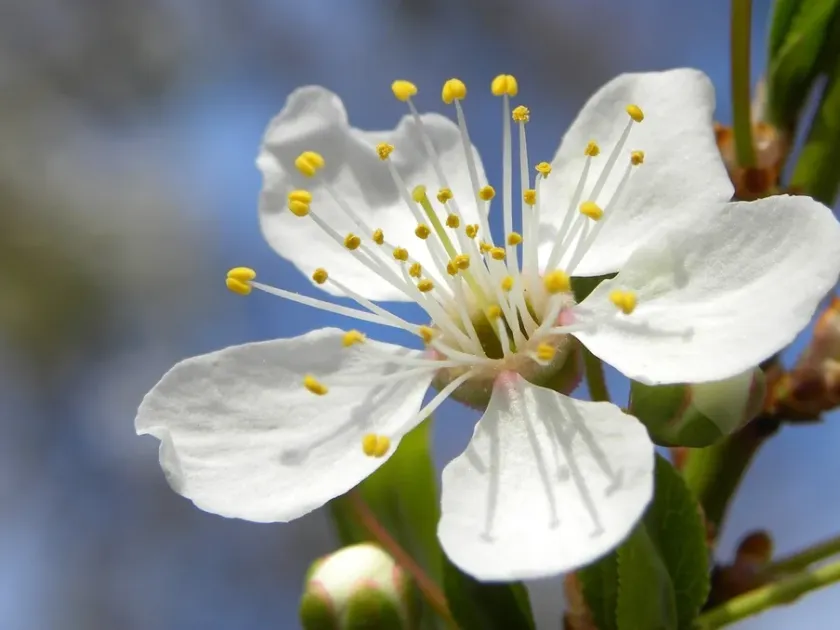
Description
Growing requirements
The Limeixing plum (Prunus x limeixing) belongs to the Rosaceae family. This distinct hybrid represents a specific genetic combination often found in East Asian botanical research, valued for its unique phenological traits and adaptation to local temperate climate zones.
The plant thrives in regions with well-defined seasonal cycles. Optimal growth requires sufficient sunlight and protection from extreme wind exposures, which helps in maintaining the tree's health and increasing the quality of the fruits produced throughout the vegetative period.
Soil requirements for this variety are focused on high fertility and proper drainage. Loamy or sandy loam soils that prevent waterlogging are preferred, as stagnant water is a significant threat to the root system and can lead to various physiological disorders.
Agricultural management includes regular pruning techniques to maintain an open canopy structure. This improves air circulation and light penetration, which are critical factors in reducing the incidence of fungal pathogens that often attack dense foliage in stone fruit trees.
Regarding its utility, the Limeixing plum serves as a valuable resource for fruit production and breeding programs. Its agricultural potential is continuously studied to identify the best management practices that maximize yield while maintaining sustainable orchard standards.
Main diseases and pests
Like other species in the Prunus genus, the Limeixing plum is susceptible to fungal infections such as brown rot (Monilinia spp.) and shot-hole disease. Proactive fungicide applications during the budding and blooming stages are essential to ensure a healthy harvest.
Pest management focuses primarily on controlling the plum fruit moth and various aphid species. Integrated pest management (IPM) strategies, which combine biological control agents with selective chemical sprays, provide the most effective approach for protecting the orchard.
Sanitation practices within the orchard are crucial for disease prevention. This includes the regular removal of fallen leaves and infected fruits, which serve as overwintering sites for fungal spores and insect larvae, thereby reducing the risk of disease for the next season.
Monitoring the bark for mechanical damage or signs of borers is a recommended task. Early detection of pests or mechanical wounds allows for targeted treatment, preventing severe infestation or decay that could compromise the tree's long-term structure and productivity.
Effective orchard management requires a deep understanding of the plant's life cycle. By applying proper fertilization and irrigation schedules, growers can strengthen the tree's natural defenses against potential pests, ensuring a resilient and productive growing environment.