
Pohuashan Mountain rowan
Sorbus pohuashanensis
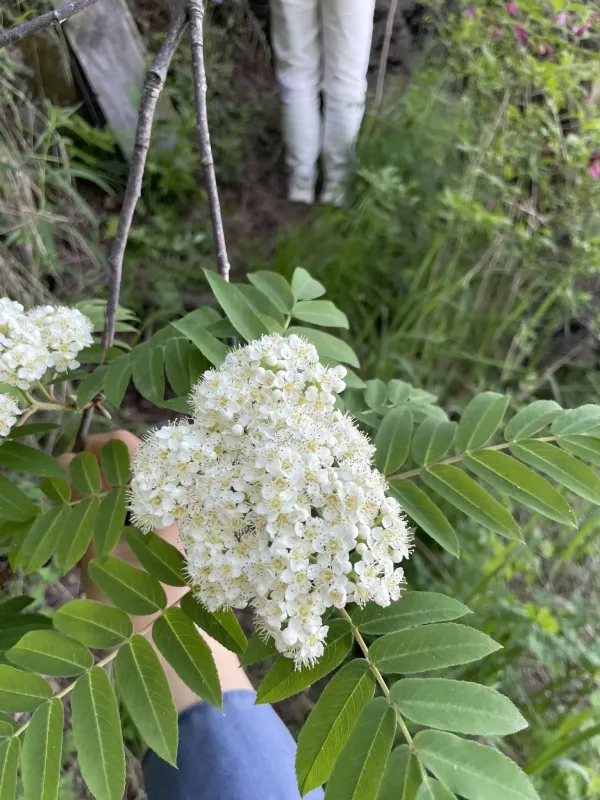
Description
Sowing dates
The Pohuashan Mountain rowan is a member of the Rosaceae family. This deciduous tree is native to the mountainous regions of northern China, specifically the Pohuashan mountain range, from which it gets its name.
Propagation is typically achieved through seeds or grafting onto common rowan rootstocks. Stratified seeds are sown in open ground either late in the autumn or early in the spring following necessary pretreatment.
When growing from seeds, it is important to bury them at a depth of no more than 2 cm. Maintaining a distance of 3–4 meters between seedlings is crucial to allow enough space for full canopy development as the tree matures.
Selecting an ideal site is essential, as this culture thrives in full sun. Planting in shaded areas may negatively affect the decorative quality of the fruits and the vibrancy of the foliage during the autumn season.
Young trees require consistent irrigation for the first few years to establish a strong root system. Once established, the species becomes moderately drought-tolerant, requiring very little maintenance.
Growing requirements
The culture has moderate soil fertility requirements, preferring well-drained loamy or sandy soils with a neutral or slightly acidic pH level. Good drainage is key to preventing root rot.
Sorbus pohuashanensis is highly winter-hardy, making it suitable for a variety of temperate climates. It withstands significant cold temperatures without suffering substantial damage to its woody structure.
The tree is sensitive to waterlogged conditions. If the soil is heavy clay, providing a drainage layer during the planting process is mandatory to protect the roots from anaerobic stress and fungal decay.
Annual pruning in early spring, before sap flow begins, helps maintain the tree's attractive shape. Removing dead, damaged, or crossing branches ensures adequate sunlight and air circulation within the canopy.
The tree responds well to balanced mineral fertilizers applied in early spring. It is advisable to avoid excessive nitrogen application in late summer to prevent succulent growth that could be susceptible to winter injury.
Yield
The fruits appear as bright red or orange-red berries arranged in large corymbs. They typically ripen in late summer or early autumn and remain on the branches for an extended period, providing significant visual interest.
The primary use of this species is ornamental. Due to its prolific fruiting and stunning autumn leaf coloration, it is highly valued in landscape design for specimen planting, avenues, or group compositions.
The berries are edible, though they can have a tart flavor when raw. They are frequently used in culinary applications, such as making jams, jellies, marmalades, and vitamin-rich syrups after proper processing.
Yield capacity varies depending on the tree's age and local growing conditions. Mature trees produce abundant fruit, which plays an ecological role by attracting songbirds to the garden throughout the winter.
The species is a promising candidate for breeding programs aimed at developing larger-fruited cultivars with lower bitterness and enhanced nutritional profiles for orchard-based production.
Main diseases and pests
Common issues include fungal infections such as leaf spots and rusts. Preventive measures, including the application of copper-based fungicides, are effective in maintaining tree health during wet growing seasons.
The tree may be prone to pests typically found in the Rosaceae family, including aphids and weevils. Regular monitoring of the foliage and trunk allows for the timely identification and treatment of infestations.
Sanitation is vital for disease control. Collecting and burning fallen leaves in the autumn prevents pathogens from overwintering in the debris and re-infecting the tree in the following season.
Bacterial fire blight can sometimes affect the tree, causing rapid wilting of shoots. Infected branches must be pruned immediately, cutting well into healthy wood, and tools must be disinfected between cuts.
Maintaining optimal soil moisture and providing periodic nutrient support enhances the tree's natural resistance, allowing it to better tolerate biotic and abiotic stressors throughout the year.
Harvesting
Harvesting is performed manually once the fruits reach full maturity and display their characteristic deep color. This usually occurs between September and October, depending on the specific climate.
For optimal shelf life, fruits should be harvested along with their pedicels. Some growers prefer harvesting after the first frost, as this helps break down tannins and improves the sweetness of the berries.
In large-scale settings, careful picking methods are used to avoid damaging the branches. Hand-picking remains the best approach for ornamental trees to preserve the integrity of the tree's framework.
Post-harvest handling involves cleaning and sorting the berries to remove damaged fruit. They should be stored in a cool, well-ventilated area or frozen to preserve their quality for future use.
Drying the fruits is an efficient preservation technique that keeps them shelf-stable for months. Dried berries serve as a valuable source of vitamins and nutrients for herbal teas and medicinal infusions.