
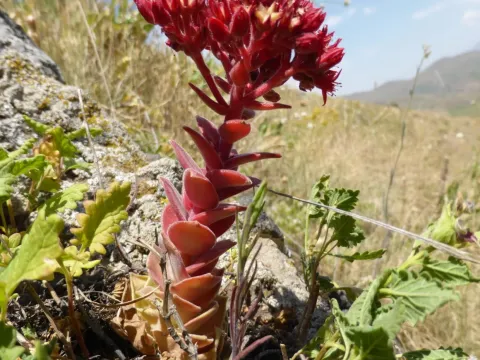
Rosularia sempervivoides
Rosularia sempervivoides
Rosularia sempervivoides is a succulent perennial belonging to the Crassulaceae family. It is characterized by dense, rosette-forming foliage that is highly adapted to store water, allowing the plant to thrive in harsh rocky environments and arid climates.
What the section contains
Rosularia sempervivoides
Native to the mountainous regions of Turkey and neighboring areas in Western Asia, this plant naturally grows in crevices and on rocky slopes. It has evolved to tolerate temperature fluctuations and minimal nutrient availability, making it an excellent candidate for specialized rock gardens.
Agronomic requirements emphasize the need for a highly porous, gritty substrate. Drainage is the most critical factor in successful cultivation; the growing medium should be composed primarily of inorganic material to prevent root rot, which is the primary cause of plant failure.
Sunlight is essential for the plant to maintain its characteristic compact shape and vibrant color. In cultivation, it requires bright, direct light to prevent etiolation, a condition where the plant stretches out and becomes brittle due to insufficient solar radiation.
The irrigation strategy is strictly regulated: water should be applied only during the growing season and only when the substrate is completely dry. During the dormancy phase, the plants should be kept dry to mimic the natural winter conditions of their mountain habitats.
The primary threats to Rosularia sempervivoides are fungal diseases triggered by excessive soil moisture and poor ventilation. Root rot and stem rot are the most common issues that quickly compromise the integrity of the succulent tissues.
Mealybugs are the most persistent pests for this species, often settling in the tight spaces between leaves. Monitoring and mechanical removal are standard practices, followed by targeted application of systemic insecticides when necessary.
Aphids can occasionally target the inflorescences during the flowering period, damaging the developing flower stalks and reducing the reproductive capacity of the plant. These pests are managed by gentle sprays to avoid damaging the succulent leaves.
Root-knot nematodes present a hidden danger that affects nutrient uptake and plant vigor. Maintaining soil health through proper sterilization and avoiding the introduction of contaminated substrate is the best preventative measure available to growers.
Botrytis, also known as grey mold, can affect rosettes in conditions of high humidity and stagnant air. Keeping the plant crown dry and ensuring adequate airflow are critical strategies to maintain the health and longevity of these decorative succulents.