
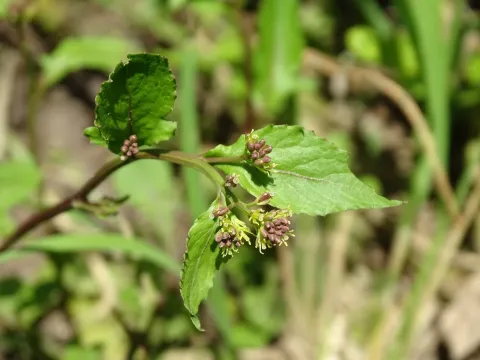
Rorippa montana
Rorippa montana
Sowing Rorippa montana is best performed in early spring, as soon as the soil warms up to 5–8 degrees Celsius. The crop is known for its cold tolerance, allowing young seedlings to withstand early spring frosts without significant harm to their development.
What the section contains
Rorippa montana
To obtain a high-quality crop, seeds should be sown in open ground in rows spaced 20–25 centimeters apart. The seeding depth should be shallow, approximately 1–1.5 centimeters, as the small seeds require close contact with moist soil to germinate effectively.
For a continuous harvest throughout the season, successive sowings can be made every 15–20 days. This practice ensures a steady supply of fresh greens until the arrival of intense summer heat, which can trigger early bolting.
To ensure optimal growth, thinning is necessary once the seedlings have developed their first two true leaves. Maintaining a distance of 10–15 centimeters between plants allows each rosette enough space to reach its full vegetative potential.
In greenhouses or controlled environments, the crop can be cultivated nearly year-round. It is crucial to provide sufficient lighting, as low-light conditions often cause the plants to stretch and lose their desirable texture and taste.
Rorippa montana belongs to the Brassicaceae family and prefers well-moistened, fertile soil with a neutral or slightly acidic pH. Loamy soils rich in organic matter are ideal, as they hold the necessary moisture for the plants' vigorous growth.
The crop is highly sensitive to water availability; therefore, regular irrigation during dry periods is essential. Moisture stress quickly leads to the hardening of leaf tissues and triggers premature flowering, which diminishes the quality of the product.
The plant thrives in cool climates typically found in mountain or foothill regions. Air temperatures exceeding 25 degrees Celsius negatively affect the leaves, making them bitter and reducing their overall culinary value.
The planting site should be well-lit, although some light shading is acceptable in southern regions during the hottest hours of the day. Excessive direct sunlight combined with high temperatures accelerates the plant's life cycle prematurely.
Good agronomic practice requires regular hoeing of the rows to ensure adequate soil aeration. Weed management during the initial stages of growth is vital, as the plant grows slowly during its first month and can be easily outcompeted.
The yield of Rorippa montana depends heavily on nutrient availability and consistent irrigation throughout the growing season. Under optimal conditions, a single square meter can produce up to 1.5–2 kilograms of greens per harvest cycle.
Maximum productivity is achieved by using balanced nitrogen fertilizers, which stimulate leaf development. Care must be taken not to over-fertilize, as excess nitrogen can lead to nitrate accumulation in the edible parts of the plant.
Applying organic mulch helps retain soil moisture and improves overall soil structure. Mulching also creates a stable microclimate for the roots, protecting them from heat stress during the peak of the summer season.
Yield stability is ensured by selecting high-quality seeds and replacing older plants regularly. As plants mature, their vegetative growth decreases, making periodic replanting a key strategy for high-yield farming.
The potential for high yields can vary based on the local ecological conditions and the specific ecotype being grown. In temperate climates with sufficient rainfall, this crop is a highly efficient and low-maintenance leafy vegetable.
Like other members of the Brassicaceae family, Rorippa montana is susceptible to attacks by flea beetles. These pests can rapidly damage young seedlings by chewing multiple holes in the leaves, necessitating proactive monitoring and protection measures.
Clubroot is a common concern, especially in fields with acidic or poorly drained soils. This soil-borne pathogen attacks the root system, causing the plants to wilt and eventually leading to total crop failure during the vegetative phase.
High humidity and overcrowding can lead to outbreaks of powdery mildew and various leaf spot diseases. These fungal infections not only ruin the appearance of the greens but also render them unsuitable for commercial sale.
Pest and disease management should focus on integrated approaches, prioritizing cultural practices over chemical interventions. Because of the plant's short vegetative period and the direct consumption of its leaves, pesticides should be used sparingly.
Preventive measures include strict crop rotation, ensuring the plant is not grown after other cruciferous vegetables. Removing crop residues immediately after harvest is essential to prevent the buildup of pathogens in the field.
Harvesting is usually done selectively, either by picking individual leaves or cutting entire rosettes as they reach the desired market size. This is typically achieved 30–45 days after full emergence, depending on the ambient temperature.
Clean, sharp tools should be used for cutting to prevent damage to the crown of the plant. The best time for harvest is early morning, when the leaves are fully turgid and contain the highest water content, ensuring crispness.
Once harvested, the produce should be cooled rapidly to maintain its shelf life, as the tender leaves wilt quickly at room temperature. Storage at temperatures near 0 degrees Celsius helps maintain freshness for several days.
For commercial sale, the greens are often bundled or packed in perforated film to reduce moisture loss. Careful handling is required to prevent mechanical bruising of the delicate leaves, which can cause them to darken and lose appeal.
For seed production, harvesting occurs when the pods turn yellow but before they shatter. Seeds should be dried in the shade, cleaned of debris, and stored in a dry, cool environment until the next sowing season.