
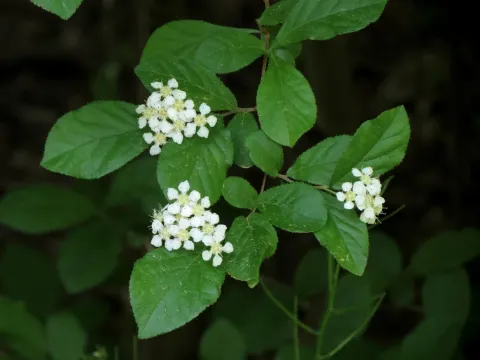
Photinia
Photinia Lindl.
Photinia is a genus of flowering plants in the Rosaceae family, comprising several species of evergreen and deciduous shrubs valued for their aesthetic appeal.
What the section contains


Photinia
Propagation is typically achieved through semi-hardwood cuttings taken in summer, which provide a reliable way to maintain the specific traits of the variety.
Seed cultivation is possible but requires a period of cold stratification to overcome dormancy, making it a longer process compared to vegetative propagation.
Spring is the ideal season for planting young shrubs outdoors, allowing the root system to establish well before the onset of extreme seasonal temperatures.
When planning a cultivation site, ensure that the spacing allows for sufficient airflow, which is critical for the long-term health of the plants.
These plants thrive in full sun or light shade; sufficient sunlight is essential to stimulate the vibrant red coloration of the emerging new foliage.
A fertile, well-drained soil with a slightly acidic to neutral pH level is ideal for healthy growth and preventing nutrient deficiencies in the plant.
Watering should be consistent but moderate, as the species is highly sensitive to waterlogging, which can lead to quick root rot and plant mortality.
Routine pruning is a fundamental aspect of Photinia care, necessary to maintain the desired shape and to encourage denser foliage growth each season.
In regions prone to cold winters, providing mulch around the base of the plant helps protect roots and retains moisture throughout the year.
Fire blight, caused by the bacterium Erwinia amylovora, is a serious threat that requires strict sanitation measures, including the removal of infected branches.
Leaf spot diseases are commonly observed in humid conditions, necessitating the use of fungicides and ensuring good air circulation within the shrub canopy.
Pests such as aphids and leaf-rollers can infest tender new growth, and monitoring should be conducted during the active growing season for control.
Powdery mildew may occur if the plant is grown in cramped conditions, making proper spacing and plant placement vital for effective disease management.
Integrated pest management strategies are recommended to reduce reliance on chemicals and promote a healthy ecosystem around the ornamental plantings.