
Mirabelle plum
Prunus domestica L. subsp. syriaca (Borkh.) Janch. ex Mansf.
Description
Growing requirements
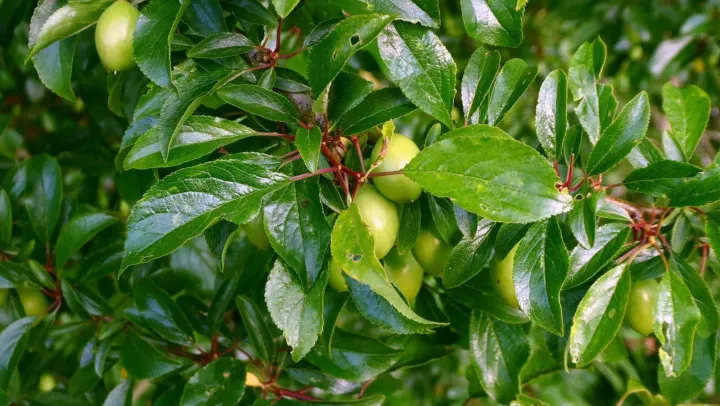
The Mirabelle plum (Prunus domestica subsp. syriaca) belongs to the Rosaceae family. This distinct subspecies of the common plum is characterized by small, globular fruits with firm, sweet, golden-yellow flesh, often spotted with red when fully ripe.
Originating from Western Asia, the Mirabelle has been cultivated extensively throughout Europe, particularly in the Lorraine region of France. It thrives in temperate climates that provide long, sunny days essential for the fruit to develop its signature high sugar content.
The trees require well-drained, nutrient-rich, and slightly alkaline soil to thrive. Proper site selection is crucial, as the roots are intolerant to waterlogged conditions, which significantly increases the risk of crown rot and physiological stress.
Cultivation practices involve regular pruning to manage the dense canopy structure. Proper light penetration is vital to ensure fruit quality and to reduce the risk of internal humidity, which promotes fungal growth on the developing fruits.
The tree benefits from consistent irrigation during periods of prolonged drought, especially as the fruits begin to swell. Mulching around the base can help retain moisture and regulate soil temperature, promoting vigorous growth and sustained yearly production.
Yield
Mirabelle plums are highly valued in the culinary industry. They are primarily used in the production of high-quality spirits, jams, jellies, and fine pastries due to their unique pectin levels and concentrated flavor profiles.
Main diseases and pests
The most significant pathological threats include brown rot (Monilinia) and shot-hole disease (Stigmina carpophila). Integrated pest management programs should prioritize preventative fungicide sprays during the flowering stage to mitigate these risks.
Pest pressure is frequently driven by the plum fruit moth, which causes direct damage to the fruit. Implementation of pheromone trapping and biological control agents is recommended as part of a sustainable approach to orchard health.
Aphids and scale insects can also infest the tree, causing leaf curl and reduced tree vigor. Regular winter maintenance, including oil-based sprays to target overwintering eggs, is an effective strategy for maintaining the long-term health of the orchard.