
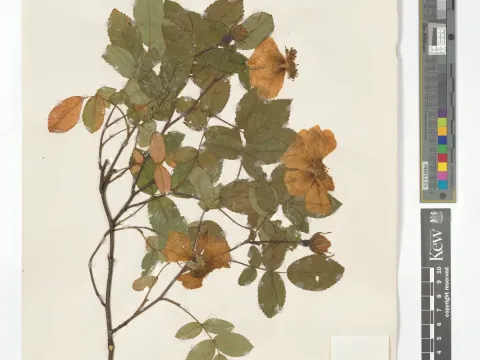
Pollini Rose
Rosa polliniana
The Pollini Rose (Rosa polliniana) is a significant hybrid species belonging to the Rosaceae family. It is historically recognized as a natural cross between Rosa arvensis and Rosa gallica, which contributes to its unique morphological traits and resilience in diverse growing conditions.
What the section contains
Pollini Rose
Botanically, it functions as a vigorous perennial shrub with arching stems and attractive, compound foliage. The plant exhibits a natural propensity for climbing or scrambling, making it an excellent candidate for various landscape architecture applications, including trellises and wild garden hedges.
Successful cultivation requires a location with substantial sunlight exposure to ensure optimal bloom performance and foliage health. A well-draining soil profile rich in organic matter is essential; heavy, waterlogged soils should be amended with compost or coarse sand to prevent root-related issues.
The horticultural management of this species involves systematic fertilizing during the early growth stages to support its rapid development. Maintaining a consistent moisture level in the soil is crucial, especially during the peak summer heat, to prevent physiological stress in the plant tissues.
Regular maintenance pruning is recommended to encourage healthy circulation within the canopy and to promote consistent flowering. By removing dead or crossing branches in early spring, gardeners can shape the shrub effectively and enhance its overall aesthetic appeal and structural longevity.
Like many species in the genus, this rose is susceptible to common fungal pathogens such as powdery mildew and black spot. Ensuring proper spacing between plants and maintaining adequate airflow are the primary cultural practices used to minimize the risk of infection.
Insect pests including aphids and spider mites can occasionally affect plant vigor. Implementing early monitoring programs and utilizing targeted horticultural oils or insecticidal soaps can manage pest populations without negatively impacting the surrounding garden ecosystem.