
Nectacotum
hybrids between Prunus salicina Lindl. and Prunus persica (L.) Batsch
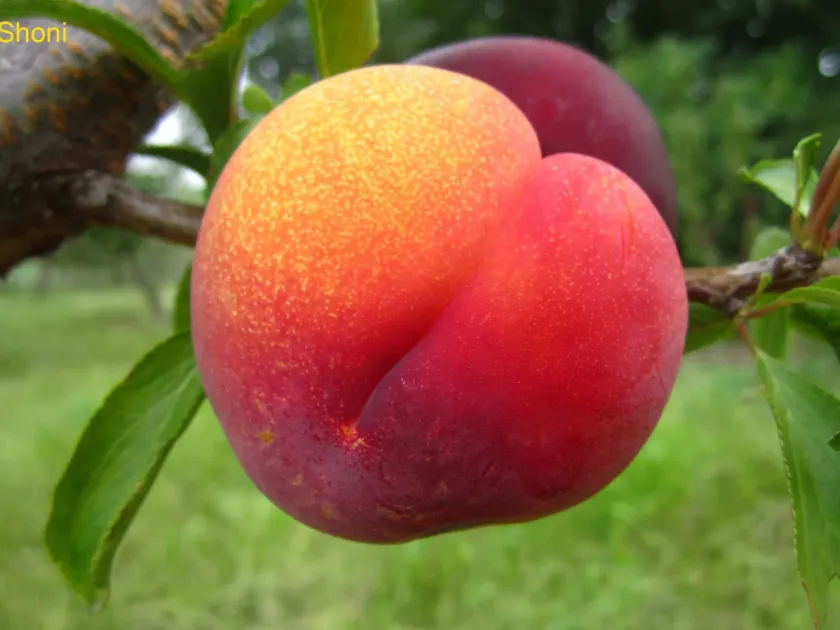
Description
Growing requirements
Nectacotum is a complex interspecific hybrid derived from crosses between Prunus salicina and Prunus persica, belonging to the Rosaceae family. This botanical combination creates a plant that exhibits hybrid vigor, combining the climatic adaptability of the plum with the premium flavor profile of the nectarine.
The culture thrives in well-drained, nutrient-rich soils that facilitate deep root penetration. Optimal soil pH ranges from 6.0 to 7.0, and site selection should prioritize locations with full sun exposure to ensure high sugar accumulation and proper fruit coloration during the ripening stage.
Regarding climate, Nectacotum requires a temperate climate with sufficient heat units during the growing season. While it exhibits better cold hardiness than many tender peach varieties, growers should still avoid frost-prone lowlands where cold air accumulates during the critical flowering period.
Modern agronomic practices for this hybrid involve intensive pruning techniques, such as open-center or vase-shaped training, to optimize light distribution. Regular irrigation is essential, especially in dry climate zones, to prevent fruit shriveling and to maintain the characteristic crisp texture.
The commercial utility of this fruit lies in its premium market appeal, often categorized as a high-end stone fruit. Its firm flesh and smooth, hairless skin make it highly desirable for fresh market consumption, as it overcomes the common skin-sensitivity issues associated with peaches.
Main diseases and pests
Like its parent species, Nectacotum is susceptible to common stone fruit pathogens, most notably Monilinia (brown rot) and various leaf spot diseases. Implementing a rigorous fungicide schedule during the dormant period and pre-harvest is standard for commercial production.
Pest pressure is primarily driven by aphids, mites, and various species of fruit moths like the Oriental fruit moth. Integrated Pest Management (IPM) strategies, including pheromone mating disruption and beneficial insect releases, are highly recommended to minimize chemical residues on the fruit.
Soil management plays a crucial role in disease prevention. Ensuring proper drainage prevents the development of Phytophthora root rot, while balanced fertilization prevents excessive vegetative growth, which can attract sucking insects and harbor fungal spores during the off-season.
Regular monitoring of the canopy is vital. Gardeners should inspect trees frequently for early symptoms of gummosis or bark lesions, which can be entry points for secondary infections. Early detection allows for prompt localized treatment before the pathogen spreads.
Post-harvest hygiene is equally important; fallen fruit must be collected and removed from the orchard floor to eliminate breeding grounds for larvae and overwintering spores. This simple sanitation step is one of the most effective ways to ensure the longevity of the orchard.