
Limeixing
Prunus x limeixing (J. Y. Zhang & Z. M. Wang) Y. H. Tong & N. H. Xia x Prunus avium (L.) L. x Prunus persica (L.) Batsch
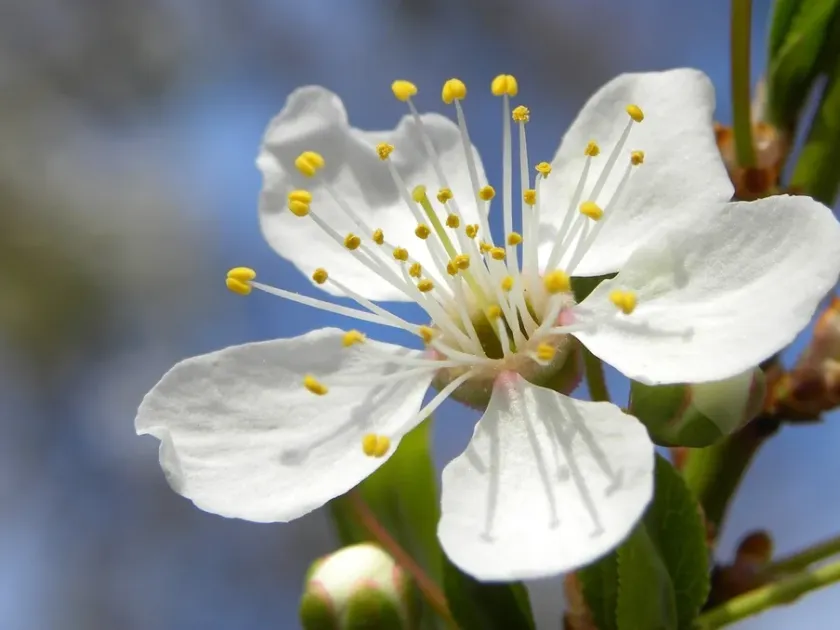
Description
Growing requirements
Limeixing is a specialized interspecific hybrid derived from a complex crossing of sweet cherry, plum, and peach, belonging to the Rosaceae family. This fruit crop represents a significant achievement in modern pomology, combining desirable genetic traits to create high-quality, distinctive fruit varieties suitable for both fresh consumption and processing.
The cultivation of Limeixing requires a well-planned site with excellent solar exposure and deep, fertile soil that ensures proper aeration. The roots of this hybrid are sensitive to waterlogging, necessitating effective drainage systems in regions with high precipitation or heavy clay soils to prevent root rot and physiological stress.
Climatically, the tree thrives in temperate environments where it can accumulate sufficient chilling hours while avoiding late spring frosts that could jeopardize the blossoms. Its growth habits require attentive management, as the tree's vigor can be substantial, necessitating frequent canopy thinning to maintain optimal light penetration.
Nutrient management is critical for Limeixing; balanced fertilization programs focusing on calcium and potassium are essential during the fruit development stages. Consistent irrigation, particularly through micro-irrigation systems, helps maintain fruit sizing and prevents fruit cracking, a common issue in stone fruit hybrids.
Training and pruning should start in the first year of planting to establish a strong structural frame. By encouraging horizontal branch growth, growers can increase the distribution of sunlight, which enhances fruit coloration and sugar accumulation, thus elevating the overall quality of the final product.
Main diseases and pests
Like many stone fruit hybrids, Limeixing is susceptible to bacterial and fungal pathogens, including brown rot and shot hole disease. Integrated pest management (IPM) practices, such as clearing leaf litter and using certified disease-free rootstocks, are fundamental to preserving the longevity of the orchard.
Insect pressure from pests like the plum fruit moth or spider mites can fluctuate seasonally, requiring proactive monitoring and targeted interventions. Ensuring the biodiversity of the orchard ecosystem through the use of beneficial insect habitats can serve as a sustainable method to naturally reduce the population density of these agricultural pests.