
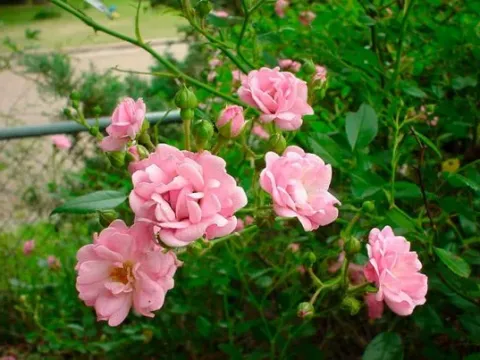
Polyantha rose
Rosa polyantha
The Polyantha rose (Rosa polyantha) belongs to the Rosaceae family. This group of roses is celebrated for its ability to produce large, cluster-flowered inflorescences, often blooming continuously from spring until late autumn.
What the section contains
Polyantha rose
These plants thrive in full sun exposure, requiring at least six hours of direct light daily. Adequate sunlight is essential for maintaining plant vigor and promoting the development of numerous flower buds throughout the season.
Optimal growth is achieved in deep, fertile, and well-drained soil. A neutral to slightly acidic pH is ideal for nutrient absorption. Incorporating organic matter, such as compost or well-rotted manure, improves soil structure and water retention.
Cultural practices include consistent watering during dry spells and periodic pruning to remove dead or diseased wood. Pruning encourages airflow within the canopy, which is crucial for overall plant health and bloom production.
Polyantha roses are generally considered hardy and robust, suitable for various landscape applications including borders, hedging, and container gardening. Proper spacing between plants is necessary to prevent overcrowding and ensure uniform development.
Common pests affecting Polyantha roses include aphids, spider mites, and leafhoppers. These insects tend to colonize the underside of leaves and tender shoot tips, causing significant stress to the host plant.
Fungal diseases are a major concern, particularly powdery mildew and black spot. High humidity levels combined with poor air circulation often trigger the onset of these infections, leading to leaf drop and decreased vitality.
Integrated Pest Management (IPM) strategies are recommended, focusing on early detection and the use of horticultural oils or soaps. Targeted chemical applications should be used only as a secondary measure to protect the plant.
Routine garden sanitation, including the removal and destruction of infected debris, is vital to break the life cycle of common pathogens. Providing proper irrigation and nutrition increases the plant's natural resistance.
- Use of disease-resistant cultivars.
- Balanced NPK fertilization schedules.
- Regular inspection for early pest presence.