
Mariana Plum
Prunus mariana
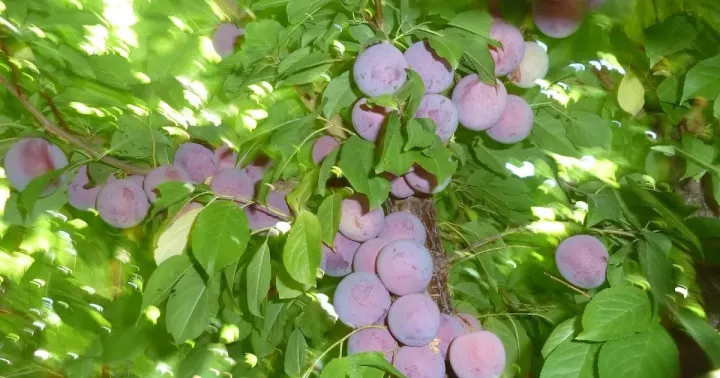
Description
Growing requirements
The Mariana plum (Prunus mariana) belongs to the Rosaceae family and is a native North American species. It is widely valued in global commercial fruit production primarily as a vigorous clonal rootstock for various stone fruits, including plums, apricots, and peaches, due to its exceptional adaptability.
Botanically, it is a small tree or large shrub known for its prolific suckering and ease of vegetative propagation. One of its most distinctive characteristics is its high tolerance for heavy, moist soils where other common rootstocks would succumb to root rot, making it an excellent choice for damp sites.
This culture thrives in loamy, nutrient-rich soils. While it is quite hardy, it prefers sites that receive adequate sunlight to support robust growth. Proper management involves ensuring that the root system is well-established, as this provides a stable foundation for the grafted scion varieties.
Regarding agrotechnical practices, the Mariana plum is highly favored for its propagation efficiency using both hardwood and softwood cuttings. This makes it a standard choice for nursery propagation, allowing for the consistent production of uniform and high-quality rootstock material.
In practice, trees grafted onto Mariana plum rootstocks typically exhibit moderate growth, early entry into the fruiting phase, and high overall productivity. These benefits make it an essential component for establishing intensive orchards, balancing tree vigor with crop quality.
Main diseases and pests
Despite its robustness, the Mariana plum can be susceptible to several fungal diseases common to the Prunus genus. Brown rot (Monilinia) and shot hole disease (Clasterosporium) are among the most prevalent, necessitating regular monitoring and appropriate fungicide application when conditions are favorable for fungal growth.
Coccomyces leaf spot can be a recurring issue, causing premature defoliation. This significantly weakens the tree and reduces its winter hardiness, so maintaining good air circulation within the canopy is crucial for reducing the micro-humidity that promotes such infections.
Common insect pests include aphids and scale insects, which target the tender shoots and foliage. Persistent infestations can stunt plant growth, particularly in nursery settings, requiring targeted insecticide applications to maintain healthy sapling development.
Preventative measures play a vital role in maintaining the health of the plants. This includes pruning to remove damaged or diseased branches and ensuring proper waste management by removing fallen leaves, which often serve as overwintering sites for various pathogens and pests.
Soil-dwelling insects, such as white grubs, may also pose a threat to the young root systems. Implementing integrated pest management strategies, including the use of soil treatments, helps protect the nursery beds and ensures the delivery of healthy rootstock to orchards.