
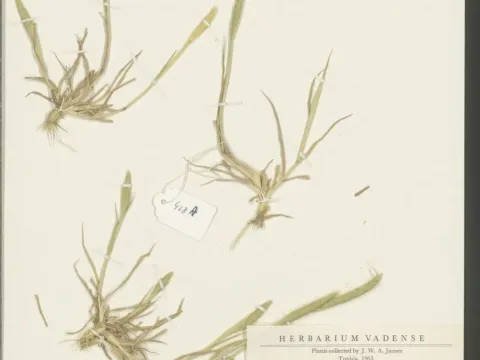
Rough nitgrass
Gastridium scabrum
Rough nitgrass (Gastridium scabrum) is an annual grass species belonging to the Poaceae family. It is typically found in Mediterranean climates, characterized by its ability to thrive in well-drained, sandy or gravelly soils where other species might struggle.
What the section contains
Rough nitgrass
The plant requires full sun exposure and is highly sensitive to waterlogged conditions, making soil aeration and proper drainage critical for its development. It prefers neutral to slightly acidic soil conditions to maximize its growth potential.
Botanically, it is defined by a slender stature and a distinct panicle inflorescence. Its narrow leaves and stem surfaces are notably rough to the touch, a feature that distinguishes it from other closely related grass species in the field.
In terms of agricultural management, rough nitgrass requires a strategic approach to sowing. It is best suited for climates with a clear distinction between the growing and dormant seasons, allowing the grass to complete its cycle effectively before summer droughts.
As a forage crop, it is primarily utilized in extensive pasture systems. While it does not provide the massive bulk of intensive ryegrass, it serves as a valuable and resilient component of natural pastures in arid or semi-arid environments.
Like many members of the Poaceae family, rough nitgrass is prone to various rust fungi, especially if environmental conditions become overly humid during the late spring. These pathogens can significantly reduce the nutritional quality of the forage.
Pests such as cereal leaf beetles and aphids are potential threats that can impact the vegetative growth stage. Integrated pest management strategies, including crop rotation and monitoring, are essential to minimize the damage caused by these insects.
Soil-borne pathogens may present a risk if the land has been repeatedly used for grass cultivation without adequate fallowing periods. Proper soil preparation and the use of healthy, certified seeds help mitigate these risks effectively.
The development of mold and mildews is often a consequence of poor airflow within the crop stand. Maintaining optimal plant density is crucial to ensure the health of the crop throughout the entire growing cycle.
Regular field scouting is recommended to identify early signs of nutrient deficiency or pest infestation. Proactive management ensures that the grass maintains its competitive advantage and provides high-quality grazing resources for livestock.