
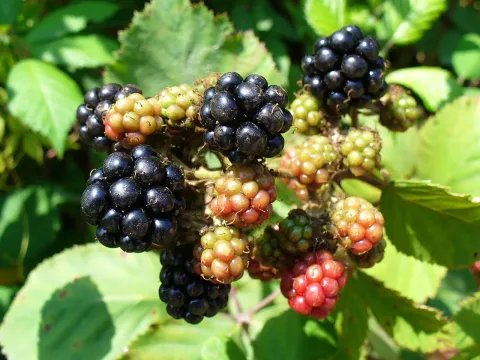
Pink blackberry
Rubus rosa
Propagation of Rubus rosa is typically performed through vegetative methods, such as rooting cuttings or dividing established clumps, to maintain genetic consistency. Early spring or mid-autumn are the most suitable seasons for planting to ensure the roots establish well before extreme temperatures arrive.
What the section contains
Pink blackberry
When preparing the planting site, ensure the soil is amended with organic matter such as well-rotted compost. The spacing between plants should be sufficient, typically about 1.5 to 2 meters, to allow for proper air circulation and to prevent the spread of soil-borne pathogens.
Place the plant in a hole wide enough to accommodate the root ball without crowding. It is essential to keep the crown at the soil surface level; burying it too deep can cause rotting, while planting too shallow may expose roots to temperature fluctuations.
Water the newly planted shrub thoroughly immediately after planting to settle the soil around the root system. Adding a layer of mulch, such as wood chips or straw, is highly recommended to retain soil moisture and suppress competition from unwanted weeds.
Young plants benefit from consistent monitoring during their first growing season. Regular, deep watering encourages roots to grow deeper into the soil, creating a more resilient plant that can withstand future environmental stresses.
As a member of the Rosaceae family, Pink blackberry requires a site with full sun to partial shade. While it adapts to various conditions, it performs best in well-draining, fertile loamy soils with a slightly acidic to neutral pH balance.
This crop has a moderate need for water, particularly during the flowering and fruit-setting stages. Consistent moisture is vital, but the soil must never be waterlogged, as poor drainage is the primary cause of root-related failures in Rubus species.
The plant benefits from a structured trellising system, which keeps the canes off the ground, improves light exposure, and facilitates easier harvesting. This also aids in preventing diseases that thrive in high-humidity microclimates near the ground.
Fertilization should be handled carefully. A balanced fertilizer applied in early spring helps promote vigorous vegetative growth, while a phosphorus-rich application prior to flowering supports the development of healthy blooms and potential fruits.
Climatic adaptability is a strong point for this species, though it appreciates protection from harsh, drying winds. In colder climates, winter protection for the canes, such as covering or bundling, may be necessary to ensure the survival of floral buds.
Common diseases affecting Rubus rosa include fungal infections like rust and anthracnose. These often appear when plants are crowded or when foliage remains wet for extended periods, highlighting the importance of proper spacing and ventilation.
Pests such as aphids and spider mites can be problematic, especially in warm, dry weather. Checking the undersides of leaves regularly allows for early detection, which is crucial for managing infestations before they become overwhelming.
Integrated Pest Management (IPM) practices are encouraged, focusing on removing infected debris and promoting beneficial predatory insects. Avoid over-application of pesticides to maintain the ecological balance within the garden environment.
Root rot, often caused by Phytophthora species, is a significant threat associated with poor drainage. If a plant shows signs of sudden wilting or yellowing leaves, the drainage must be inspected and remediated immediately.
Viruses are less common but devastating when they occur. Infected plants should be promptly removed and discarded far from the planting site to prevent transmission, as there are no effective chemical treatments for viral infections in this crop.