
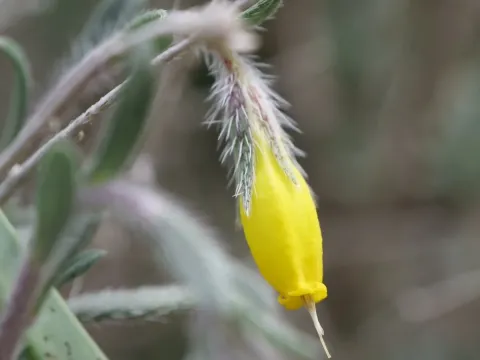
Onosma
Onosma
Onosma is typically propagated by seeds, which should be sown in early spring once the threat of severe frost has passed and the soil has warmed.
What the section contains
 Alkanet
Onosma echioides
Austrian golden-drop
Onosma austriaca
Alkanet
Onosma echioides
Austrian golden-drop
Onosma austriaca
 Caucasian goldenslope
Onosma caucasica
Caucasian goldenslope
Onosma caucasica
 Dwarf golden-drop
Onosma nana
Dwarf golden-drop
Onosma nana
 Dyer's onosma
Onosma tinctoria
Dyer's onosma
Onosma tinctoria
 Giant Onosma
Onosma gigantea
Giant Onosma
Onosma gigantea
 Onosma albo-rosea
Onosma albo-rosea
Onosma albo-rosea
 Onosma aleppica
Onosma aleppica
Onosma aleppica
 Onosma arenaria
Onosma arenaria
Onosma arenaria
 Onosma bubanii
Onosma bubanii
Onosma bubanii
 Onosma echinata
Onosma echinata
Onosma echinata
 Onosma erecta
Onosma erecta
Onosma erecta
 Onosma fastigiata
Onosma fastigiata
Onosma fastigiata
 Onosma graeca
Onosma graeca
Onosma graeca
 Onosma heterophylla
Onosma leptantha
Onosma leptantha
Onosma heterophylla
Onosma heterophylla
Onosma leptantha
Onosma leptantha
 Onosma microcarpa
Onosma microcarpa
Onosma microcarpa
 Onosma montana
Onosma polioxantha
Onosma polioxantha
Onosma montana
Onosma montana
Onosma polioxantha
Onosma polioxantha
 Onosma pseudoarenaria
Onosma pseudoarenaria
Onosma pseudoarenaria
 Onosma rhodopea
Onosma rhodopea
Onosma rhodopea
 Onosma rigida
Onosma rigida
Onosma rigida
 Onosma sericea
Onosma sericea
Onosma sericea
 Onosma simplicissima
Onosma spruneri
Onosma spruneri
Onosma simplicissima
Onosma simplicissima
Onosma spruneri
Onosma spruneri
 Onosma stellulata
Onosma stellulata
Onosma stellulata
 Onosma taurica
Onosma taurica
Onosma taurica
 Onosma thracica
Onosma thracica
Onosma thracica
 Onosma tricerosperma
Onosma visianii
Onosma visianii
Onosma tricerosperma
Onosma tricerosperma
Onosma visianii
Onosma visianii
 Swiss Onosma
Onosma helvetica
Swiss Onosma
Onosma helvetica
Onosma
Due to the small size of the seeds, they are surface-sown or covered with a very thin layer of substrate to ensure they have enough light to germinate.
Proper spacing is crucial for this plant; rows should be set at least 30 to 40 centimeters apart to prevent overcrowding and ensure adequate airflow.
Germination usually takes several weeks, during which the seedbed must remain consistently moist but not waterlogged to support the delicate seedlings.
Early-stage weed control is essential, as the seedlings grow slowly and can easily be outcompeted by more aggressive weeds during the first few months.
Belonging to the Boraginaceae family, Onosma is a genus known for its preference for rocky, calcareous soils and xerophytic habitat conditions.
The crop requires full sun exposure and will fail to thrive in any degree of shade, as light intensity directly influences its secondary metabolite production.
Excellent drainage is the most important factor in the success of Onosma cultivation; it cannot tolerate standing water and will suffer from root rot in heavy soil.
The plant performs best in neutral to slightly alkaline, lean, rocky soils, which mimic the conditions of its native limestone slopes.
While drought-tolerant once established, young plants should receive supplementary irrigation until their deep taproot system is fully developed.
The harvesting of Onosma is primarily focused on the collection of its aerial parts, which are utilized in both decorative floriculture and traditional herbal medicine.
Yield is highly dependent on the plant density and the specific botanical variety being cultivated, with optimal conditions yielding several tonnes of dried biomass per hectare.
The intensity of flowering serves as a key indicator for potential yield, with healthier plants producing more flowers rich in bioactive compounds.
Sustainable harvesting methods include selective pruning of flowering stems, allowing the crown to remain intact for perennial growth in the following season.
Dry matter yield increases when the plants are grown in their native climate range, as temperature fluctuations stimulate the production of essential phytochemicals.
Root pathogens and crown rot are the primary threats to Onosma, particularly in climates with high humidity or during seasons with excessive rainfall.
Insects like aphids may occasionally infest the foliage, particularly if the plants are stressed due to improper watering or poor soil conditions.
Preventative measures include the use of grit or sand around the base of the plant to keep the crown dry and minimize contact with wet soil.
Integrated pest management should focus on biological controls and manual removal of infected parts to maintain the purity of the crop for medicinal use.
Crop rotation should be practiced strictly to prevent the build-up of soil-borne pathogens that can persist in the field for several years.
Harvesting is typically done during the peak flowering period, which is when the concentration of the plant's active compounds is at its maximum.
The stems are cut manually or with specialized equipment, leaving the basal rosette undisturbed to ensure the plant survives to regenerate in subsequent years.
Post-harvest processing involves rapid drying in a well-ventilated, shaded area to preserve the chemical integrity and vibrant color of the floral parts.
Proper storage is essential; the dried material must be kept in cool, dark, and dry conditions to prevent mold formation and degradation of constituents.
Quality control standards require testing for moisture content to ensure long-term stability and to meet industry specifications for herbal suppliers.