
Onosma taurica
Onosma taurica
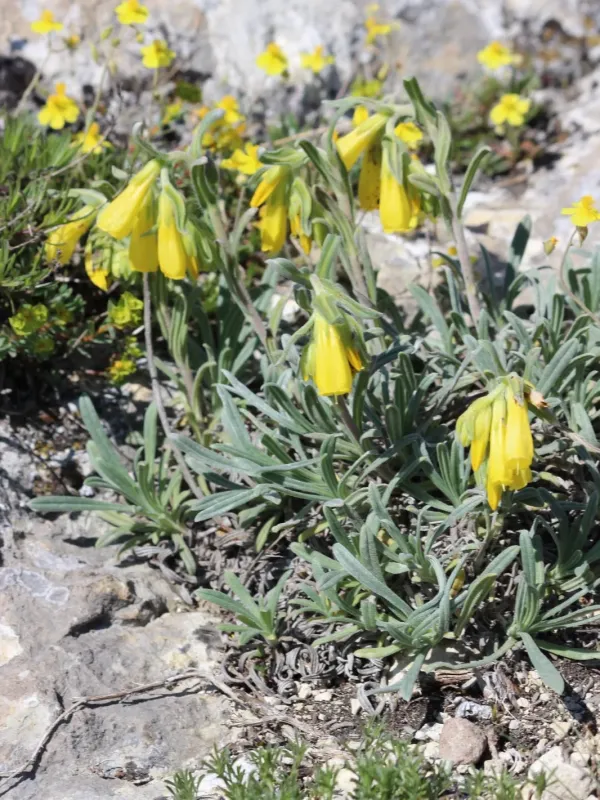
Description
Growing requirements
Onosma taurica, commonly known as golden drop, is a perennial herb belonging to the Boraginaceae family. It is native to the Crimean Peninsula and surrounding regions, naturally adapted to harsh steppe conditions and limestone-rich soils.
Botanically, the plant is characterized by its subshrub structure with bristly, pubescent stems and leaves. This hair-like covering serves as a biological barrier against dehydration, reflecting light and reducing the rate of transpiration during the intense heat of the summer months.
The cultural requirements for Onosma taurica emphasize the need for high solar exposure. It thrives in locations that receive full sunlight throughout the day and cannot tolerate competition from taller vegetation or shade, which leads to etiolation and weak flowering.
Soil structure is critical for successful cultivation; the plant demands excellent drainage. Loamy or sandy soils mixed with gravel or limestone chippings are ideal. Heavy clay soils are generally unsuitable as they trap moisture, which is often fatal for this species during the dormancy phase.
The agronomic management of this culture is relatively low-input. Once established, the plant is extremely drought-tolerant and requires no supplemental irrigation or fertilization. Regular weeding is necessary only during the first growing season to ensure the seedlings are not smothered by fast-growing aggressive weeds.
Main diseases and pests
The primary threats to Onosma taurica are related to fungal pathogens, most notably root rot and crown rot. These issues are almost exclusively caused by poor soil drainage and stagnant water, especially during periods of high humidity or excessive winter precipitation.
Pest pressures are generally low, although caterpillars and certain types of aphids may occasionally target the soft tissue of developing flower buds. Effective control is rarely needed if the plant is situated in the correct ecological niche with adequate spacing for airflow to inhibit pest and disease proliferation.