
Onosma tricerosperma
Onosma tricerosperma
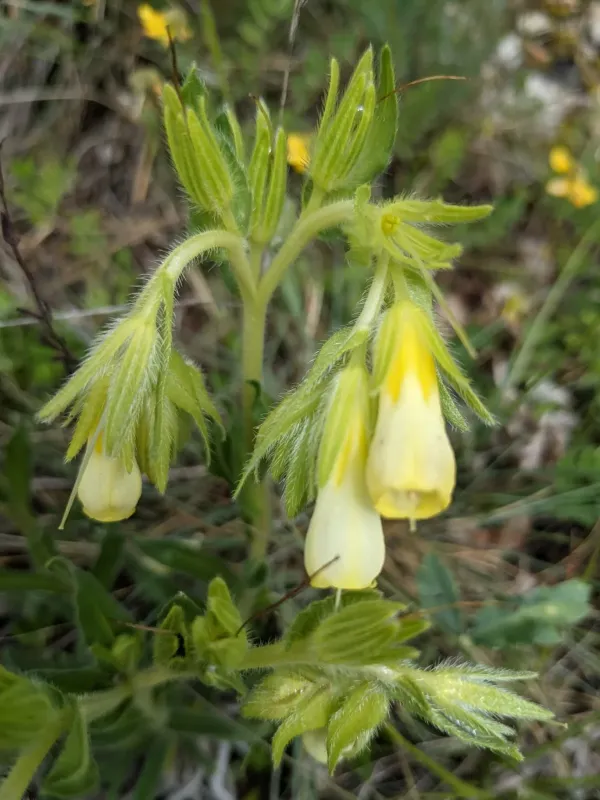
Description
Growing requirements
Onosma tricerosperma is a perennial herb belonging to the Boraginaceae family. Naturally occurring in the mountainous regions of the Mediterranean and the Iberian Peninsula, it thrives in extreme environmental conditions where many other crops fail.
The crop requires poor, rocky, and alkaline soil conditions. High permeability is essential; the root system is highly susceptible to rot if water persists in the soil profile, making a well-draining substrate a non-negotiable requirement for successful growth.
As a xerophyte, it possesses significant drought resistance. It requires full sunlight exposure to maintain its compact growth form and to stimulate prolific flowering. In low-light conditions, the plant tends to become leggy and loses its vitality.
Agronomic management involves minimal intervention. Once established, the crop does not require supplemental watering or frequent fertilization. Excessive nitrogen application is detrimental to the plant, as it promotes soft, weak tissues prone to environmental stress.
The plant is primarily valued for its ornamental appeal in specialized gardening and for potential research into its chemical constituents, including natural dyes and secondary metabolites found within its root structures.
Main diseases and pests
The most severe threat to Onosma tricerosperma is root rot, particularly during the transition between winter and spring. Improving drainage systems and choosing elevated planting sites are the primary defense strategies.
Fungal diseases like powdery mildew can occur during periods of high atmospheric humidity combined with poor ventilation. Regular monitoring and application of appropriate fungicides help maintain plant integrity.
Aphids and spider mites are the most common pests found on this crop. Integrated pest management, focusing on early detection, is the most effective approach to avoid chemical reliance in small-scale cultivation.
Gastropods, such as slugs and snails, can cause significant damage to young shoots in early spring. Installing copper barriers or using traps is recommended to minimize population density near the plants.
Proper sanitation, including the removal of dead foliage during late autumn, is essential to prevent the accumulation of pathogens and to keep the crown area dry during the dormant season.