
Onosma bubanii
Onosma bubanii
Description
Growing requirements
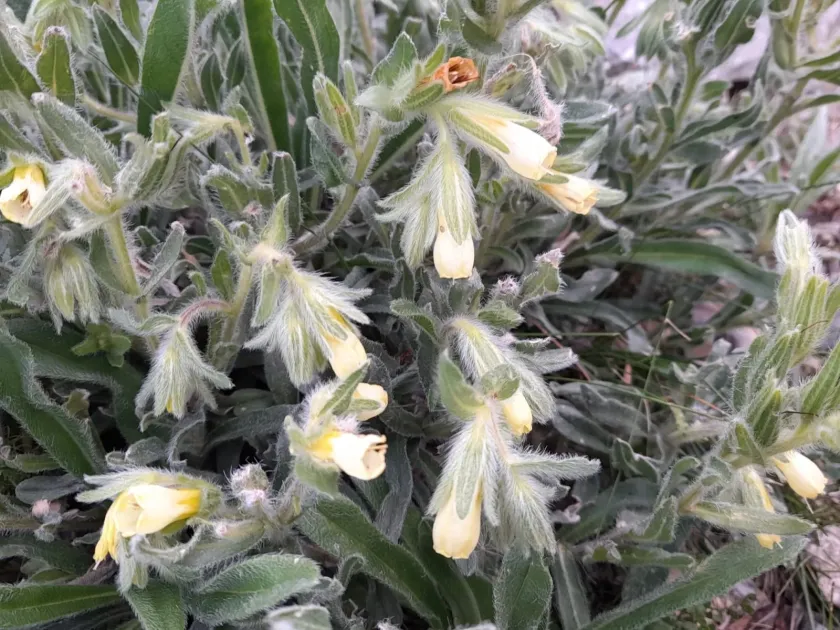
Onosma bubanii is a perennial herbaceous plant belonging to the Boraginaceae family. Native to the mountainous regions of Southwestern Europe, specifically the Pyrenees, this species has adapted to extreme conditions including rocky crevices and limestone-rich soils.
The botanical structure of this plant features stiff, hairy stems and leaves, which are typical adaptations to prevent transpiration in arid environments. The plant produces elegant, bell-shaped yellow flowers that appear in clusters, providing significant aesthetic value during the growing season.
Cultivation of Onosma bubanii requires precise attention to soil texture. It thrives in well-drained, nutrient-poor, alkaline substrates. In a garden setting, it is essential to incorporate stone chippings or gravel into the soil to mimic its natural alpine habitat and prevent root moisture accumulation.
This species is highly drought-tolerant and requires full sun exposure to maintain its compact growth form. It does not tolerate heavy, waterlogged soils, which makes site selection (such as a slope or a raised bed) critical for the plant's long-term survival.
The primary horticultural application for Onosma bubanii is in rock gardens and dry-stone wall landscaping. Beyond aesthetics, it is also studied for its chemical profile, as several plants in the Boraginaceae family contain compounds like shikonin and other naphthoquinones.
Main diseases and pests
The primary threat to Onosma bubanii is root rot caused by stagnant water in the soil. Excess moisture around the root zone, especially during dormant winter months, can lead to rapid fungal infection and the eventual collapse of the plant.
Fungal infections can also occur when the plant is kept in humid environments without sufficient air circulation. It is crucial to ensure that the foliage remains relatively dry and that the site receives plenty of breeze to minimize the risk of pathogen development.
While pests are generally uncommon in outdoor rock garden settings, spider mites or aphids may occasionally attack the plant under stressed conditions. These infestations are typically a secondary issue, highlighting the need to optimize overall growing conditions.
Preventative care for this species includes avoiding overhead irrigation, which can dampen the foliage and encourage fungal spore germination. Weed control is also essential, as competition from invasive grasses can inhibit air circulation and root health.
Should disease occur, cultural methods like pruning damaged parts and improving drainage should be the first line of defense. The use of chemical pesticides should be strictly avoided due to the plant's sensitivity and potential ecological impacts.