
Onosma heterophylla
Onosma heterophylla
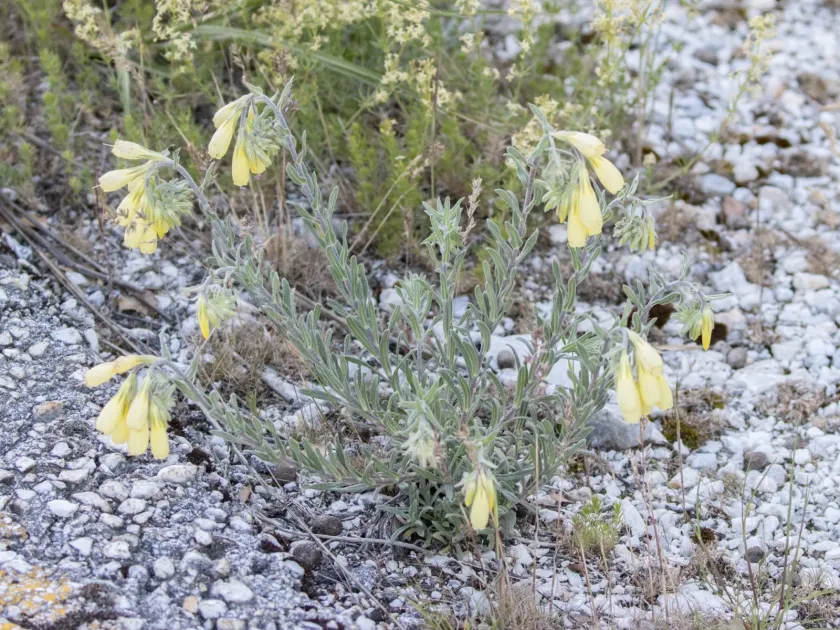
Description
Growing requirements
Onosma heterophylla is a perennial herbaceous plant belonging to the Boraginaceae family. Naturally, it thrives in regions with temperate climates, specifically in areas with rocky or stony substrate and exposure to direct sunlight.
The crop is highly adapted to arid conditions and requires well-drained soils to prosper. It prefers sandy or loamy soils with a neutral or slightly alkaline pH, making it suitable for areas where more sensitive crops struggle.
Regarding climate, this plant is characterized by its winter hardiness and its ability to withstand intense heat. It does not tolerate waterlogging, so strategic placement on higher ground or well-drained soil layers is essential for healthy plant development.
Botanically, it features thick, stiff hairs covering the foliage, which serve as an adaptation to minimize water loss and protect the plant from harsh environmental stressors. The root system is deep and efficient at extracting minerals from the subsoil.
Economically, the plant is primarily researched for its chemical composition and potential applications in herbal medicine. Furthermore, it functions as a beneficial nectar-producing plant, providing a food source for pollinators during the flowering season.
Main diseases and pests
The primary threat to Onosma heterophylla is excessive moisture, which often triggers root rot and fungal infections. Maintaining proper soil moisture and ensuring excellent drainage are the most effective management strategies.
Soil-dwelling pests can pose a danger to the root system, especially during the seedling stage. Implementing prophylactic measures is essential to protect the crop during its early, slow-growing development phase.
Competition from weeds is a significant limiting factor for yield. The crop requires a clean growing environment during the first year of establishment to ensure it can successfully compete for resources.
If powdery mildew occurs due to poor ventilation or high humidity, organic fungicides should be utilized to maintain crop health without compromising the quality of the raw material.
Regular field scouting is recommended to identify early signs of insect or pathogen infestation, allowing for quick intervention and prevention of wider spread throughout the plantation.