
Onosma montana
Onosma montana
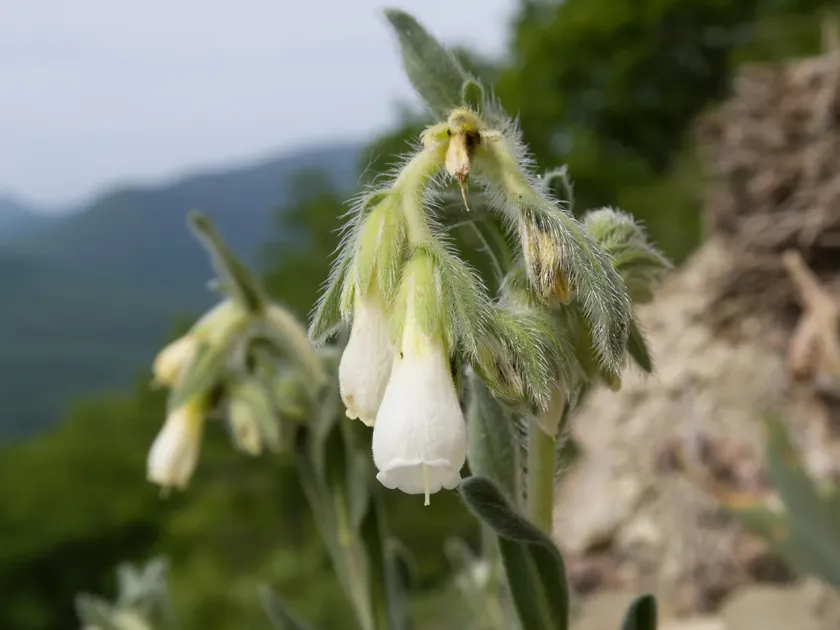
Description
Sowing dates
Onosma montana is a perennial herb belonging to the Boraginaceae family, characterized by its adaptation to rocky and alpine environments. Sowing the seeds is best performed in late autumn to ensure natural stratification through winter, which increases the germination rate.
The seeds should be sown on the surface of a well-draining, sandy, or stony substrate. They require exposure to light to germinate effectively, so covering them with a thin layer of fine gravel is an ideal technique that mimics their natural habitat conditions.
Development during the first year is notably slow, as the plant focuses its metabolic energy on establishing a deep and robust taproot. Maintaining a stable, slightly moist environment for seedlings is crucial until they develop their first true leaves.
When propagating through seeds, it is important to handle the seedlings with care. The taproot is highly sensitive to mechanical damage, so if transplanting is necessary, it should be done with minimal disturbance to the surrounding soil structure.
Propagation is primarily achieved via seeds, as vegetative methods are often unsuccessful due to the plant's specific physiological requirements and its inability to tolerate root disturbance or fragmentation of the primary stem base.
Growing requirements
This species thrives in sunny, open locations with excellent drainage. It is a true lithophyte that excels in rocky soils, scree slopes, or well-designed rock gardens where stagnant water is physically impossible to encounter.
The soil must be alkaline or neutral, rich in mineral content, and low in organic matter. Excessive humus or compost can lead to weak, elongated growth and significantly reduce the plant's natural resistance to pests and climatic fluctuations.
Onosma montana is highly drought-tolerant, utilizing its hairy foliage to minimize water loss through transpiration. It requires very little supplemental watering, even during the hottest months, once the root system is fully established.
Winter protection is necessary only in climates with high humidity. In such regions, keeping the crown dry is the key to survival. Covering the plant with a glass plate or keeping it in a cold frame can prevent rot during the dormant season.
Cultural maintenance is minimal; pruning is essentially limited to removing dead inflorescences after flowering. Providing good air circulation is the most important factor in keeping the foliage healthy and preventing potential fungal issues.
Main diseases and pests
Root rot is the most significant threat to Onosma montana, almost always caused by inadequate soil drainage or prolonged exposure to excessive moisture. Once established, root decay is difficult to treat and usually fatal for the plant.
Powdery mildew can affect the foliage during periods of stagnant air and high humidity. This fungal disease creates a white, dusty layer on the leaves, which inhibits the plant's ability to photosynthesize and can lead to leaf drop.
Spider mites are common pests that thrive in dry, hot conditions. They suck sap from the leaves, causing a stippled appearance and yellowing. Frequent monitoring during the peak of summer is essential for early detection and control.
Aphids may occasionally target the developing flower buds, hindering their ability to bloom properly. If an infestation occurs, it is recommended to use gentle, systemic, or biological control measures to avoid damaging the plant's delicate hairs.
Finally, rodents can pose a threat during winter by gnawing on the root crown. Providing physical barriers or using protective nets around the base of the plant can help safeguard against such damage when other food sources are scarce.