
Onosma visianii
Onosma visianii
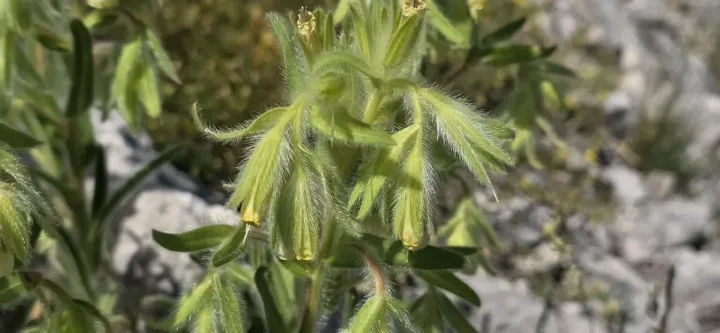
Description
Sowing dates
Onosma visianii is a perennial plant belonging to the Boraginaceae family. Sowing is best performed in the autumn to allow for natural stratification, which is essential for uniform seed germination in the spring.
For spring sowing, seeds require an artificial cold stratification process, lasting approximately six to eight weeks in a refrigerator. This simulates natural winter conditions and significantly increases the success rate of germination.
Seeds should be sown in a well-draining, sandy-based medium at a shallow depth of approximately 0.5 to 1 centimeter. Over-sowing must be avoided, as the seedlings do not thrive in overcrowded conditions.
Germination typically occurs within a month under optimal temperature conditions. During the initial growth phase, maintain consistent but light moisture, ensuring the substrate never becomes waterlogged.
When transplanting, take care to disturb the roots as little as possible. The use of individual biodegradable pots can prevent transplant shock, which is common for this species during its early establishment.
Growing requirements
Onosma visianii thrives in full sun exposure. It is a heliophilous plant that requires direct light to maintain its compact growth form and to ensure prolific flowering throughout the summer season.
Regarding soil preferences, this culture demands excellent drainage. It is perfectly adapted to poor, rocky, or gravelly soils with a neutral to alkaline pH, making it ideal for xeriscaping or dry-land agriculture.
The plant demonstrates remarkable drought resistance once established. It is well-suited for arid climates where traditional crops often fail due to water shortages or prolonged high temperatures.
Fertilization should be kept to a minimum. Onosma adapts well to nutrient-poor environments, and excess nitrogen can lead to rapid, weak growth that makes the plant more susceptible to diseases and physical damage.
Spacing is a critical factor for success. Plant individuals at least 30 to 40 centimeters apart to ensure adequate airflow, which is essential for managing the plant's health and vigor in more humid environments.
Main diseases and pests
Root rot is the most significant threat to Onosma visianii. This condition is almost exclusively caused by excessive soil moisture or poor drainage, which prevents the roots from accessing sufficient oxygen.
In humid climates, fungal pathogens such as powdery mildew can affect the foliage. Reducing plant density and ensuring optimal ventilation around the plants are the most effective preventative strategies.
Gastropods, such as slugs and snails, can cause considerable damage to seedlings and young leaves during damp weather. Monitoring these pests and using physical barriers can help protect the crop.
Soil-borne insects may occasionally damage the root system, leading to wilting. Regular inspection and maintaining clean growing rows can help reduce the presence of these pests within the plantation.
Overall, the plant is relatively pest-resistant when grown in conditions that match its native habitat. Adhering to strict moisture management and soil quality requirements is the primary method of disease prevention.