
Onosma pseudoarenaria
Onosma pseudoarenaria
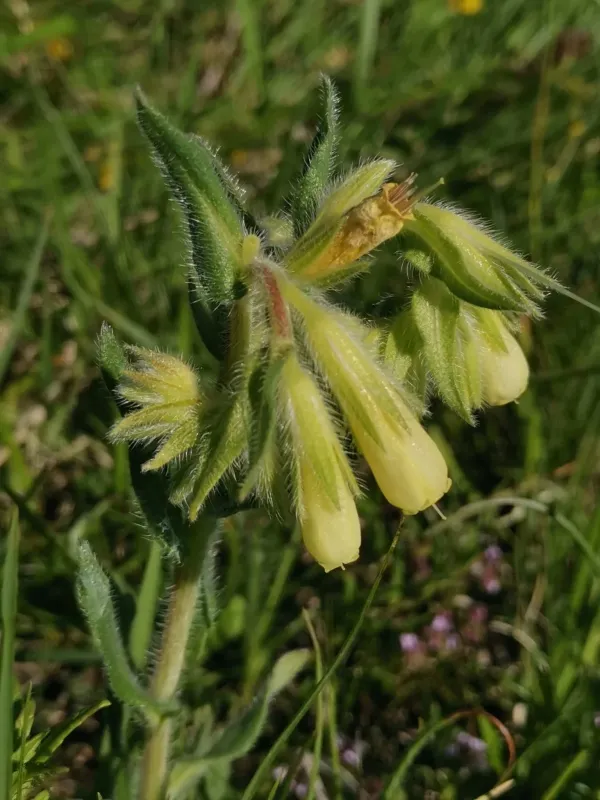
Description
Growing requirements
Onosma pseudoarenaria is a perennial herbaceous plant belonging to the Boraginaceae family. This species is native to arid, sandy, and stony environments, showcasing high evolutionary adaptation to water scarcity.
The plant features a deep taproot system and dense trichomes (hairs) covering the foliage and stems. These features are essential for reducing transpiration rates and protecting the plant from excessive heat exposure during the growing season.
Agricultural success depends on providing well-drained, nutrient-poor, or sandy soils. It is critical that the selected location offers full sun exposure, as the plant cannot tolerate shade or waterlogged conditions.
The plant demonstrates remarkable climate resilience, being fully adapted to regions with extreme temperature fluctuations, including harsh winters and hot, dry summers characteristic of the continental steppe zones.
In practice, the species is often utilized for ecological restoration, stabilization of sandy soils, and as an ornamental component in xeriscaping projects due to its low water maintenance requirements.
Main diseases and pests
The most significant threats to Onosma pseudoarenaria are related to fungal pathogens, particularly root rot, which typically occurs when the soil remains too moist for extended periods.
Pests are generally less of an issue compared to environmental stress, though aphids can occasionally infest the flower spikes during the peak spring bloom period.
Preventative management involves avoiding heavy, clay-rich soils that retain moisture and ensuring proper spacing between plants to allow for sufficient air circulation.
Soil management must focus on aeration and drainage; therefore, excessive organic fertilization is generally avoided as it can weaken the plant's natural adaptation to nutrient-poor soils.
Field monitoring should focus on identifying early wilting symptoms, which are often indicative of substrate issues rather than typical pest-induced damage.