
Onosma sericea
Onosma sericea
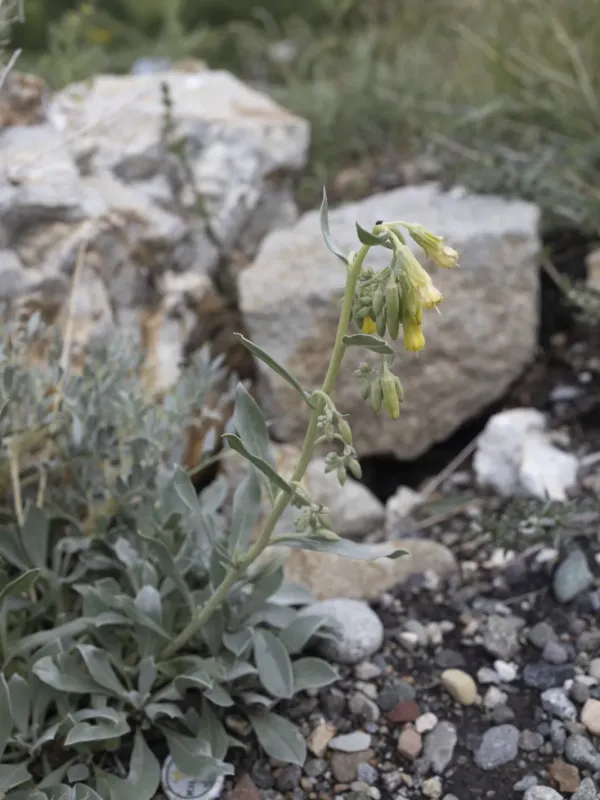
Description
Growing requirements
Onosma sericea belongs to the Boraginaceae family. It is a perennial herbaceous plant that naturally inhabits rocky slopes, steppe zones, and chalk outcrops across Eastern Europe and the Caucasus.
The plant features a distinct appearance: erect stems densely covered in pressed hairs, giving them a silvery sheen. The leaves are lanceolate or linear, also covered with stiff hairs that protect the plant from excessive moisture evaporation.
For successful growth, Onosma requires well-drained, calcareous, or stony soils. The plant is extremely sensitive to water stagnation in the root zone, making heavy clay soils unsuitable for its cultivation.
The species is a typical xerophyte, exhibiting high drought tolerance and a preference for light. It thrives in open areas with intense sun exposure, where it displays maximum decorative value and vitality.
Economically, Onosma is of interest as a promising essential oil and medicinal crop. Scientific research indicates the presence of naphthoquinones in the roots, which possess significant antibacterial and wound-healing properties.
Main diseases and pests
The primary threat to Onosma sericea in agricultural settings is root rot, which develops when soil aeration is poor or moisture levels are excessive. This disease can rapidly eliminate a population on sites with inadequate drainage.
Among pests, the greatest danger is posed by soil-dwelling larvae, such as wireworms, which damage the root system of young plants. Leafrollers may also infest the plant during periods of active vegetative growth.
To prevent fungal infections, strict humidity control is necessary, and over-irrigation should be avoided. Thinning out the plants ensures essential air circulation, reducing the risk of disease spread.
When initial signs of pathogens appear, biological fungicides are recommended as the plant is sensitive to many aggressive chemical treatments. Timely weeding is crucial, as weeds can act as reservoirs for various pathogens.
Overall, when applying proper cultivation techniques that mimic natural habitat conditions, Onosma demonstrates high resilience against common diseases and pests typical of steppe environments.