
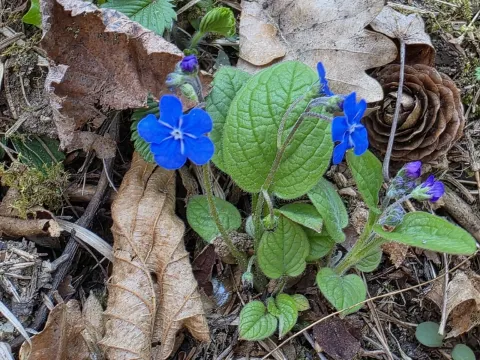
Omphalodes
Omphalodes
Sowing Omphalodes in the field is best performed in early spring once the soil has warmed up or during the autumn months for natural cold stratification.
What the section contains


Omphalodes
Seeds should be planted at a shallow depth of approximately 1 to 2 centimeters to ensure successful germination without exerting too much pressure on the emerging seedlings.
If utilizing a greenhouse or container-based approach, it is advisable to maintain consistent soil moisture until the first true leaves have clearly developed.
The germination period can be somewhat irregular, so patience and stable temperatures are essential factors for achieving a high percentage of successful seedling emergence.
Once seedlings reach a suitable size, they should be hardened off before being permanently transplanted into their designated growing location in the garden.
Omphalodes belongs to the Boraginaceae family and thrives in partially shaded environments, often mimicking the natural understory conditions of its origin.
The plant requires well-draining, humus-rich soil that retains some moisture while preventing the accumulation of standing water near the root zone.
While the plant is quite adaptable, it performs best in soils with a neutral pH, and regular enrichment with organic matter like compost significantly improves its vitality.
Consistent watering is crucial during dry spells to maintain the turgor of the foliage and to support the plant's bloom cycle during the growing season.
In regions with harsh winters, providing a layer of organic mulch helps protect the root system from extreme fluctuations in temperature and prevents soil heaving.
The primary pests affecting Omphalodes are gastropods, specifically slugs and snails, which can cause significant damage to foliage during wet and humid weather conditions.
Powdery mildew can emerge as a concern if plants are spaced too closely, limiting airflow and promoting a microclimate favorable for fungal spore development.
Root rot is a common physiological threat occurring when the soil remains waterlogged for extended periods, usually due to poor drainage or excessive irrigation.
Effective management includes maintaining proper plant spacing to improve ventilation and removing any debris that might harbor harmful fungal pathogens.
Monitoring the plants regularly allows for early detection of potential threats, ensuring that intervention can be localized rather than requiring broad chemical treatments.