
Onosma graeca
Onosma graeca
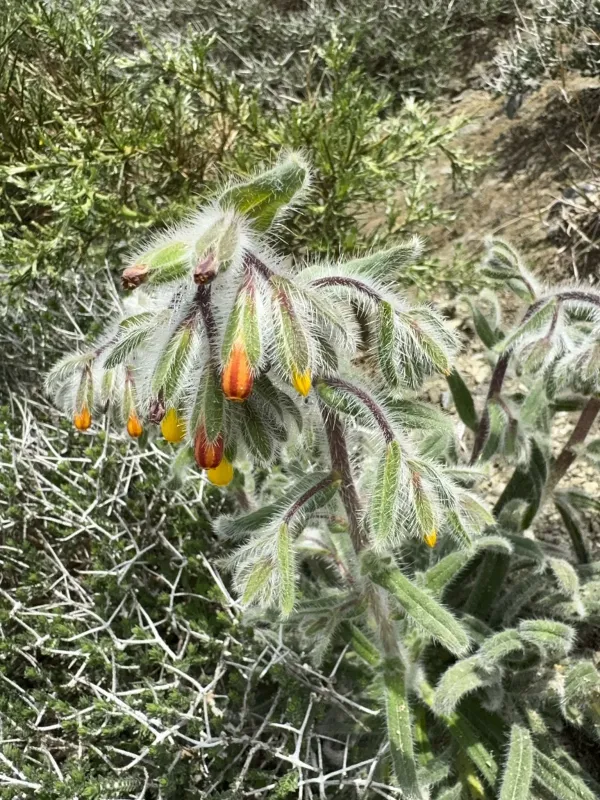
Description
Sowing dates
Onosma graeca is typically propagated through seeds, which require stratification to achieve uniform germination rates. Sowing is best performed in late autumn or early spring to mimic natural environmental cycles.
The seeds should be sown in a well-draining, mineral-rich substrate. A mixture of sand, fine gravel, and minimal organic matter creates the ideal environment for the developing root system.
Shallow sowing is essential, as the seeds need a small amount of light to trigger germination processes effectively. Pressing the seeds lightly into the soil surface is recommended over covering them deeply.
Maintenance of moderate moisture during the initial germination phase is critical. Once the plants reach the seedling stage, irrigation should be strictly controlled to prevent damping-off.
Spacing between plants must be considered early on to ensure that the mature rosettes have enough space for aeration, which significantly reduces the risk of fungal infections.
Growing requirements
This species thrives in full sun exposure and is highly adapted to high-temperature conditions. It is a quintessential xerophytic plant, capable of flourishing in arid environments where other crops would fail.
Soil quality is secondary to drainage. Onosma graeca performs best in rocky, stony, or sandy soils with a neutral to alkaline pH level. Heavy clay soils that retain moisture are generally unsuitable.
Climate requirements include distinct dry and warm periods, as the plant is evolved to cope with Mediterranean-type weather patterns. High humidity or excessive rainfall can be detrimental to its longevity.
Nutrient requirements are relatively low. Excessive nitrogen fertilization can lead to lush but weak growth, making the plant more susceptible to pests and winter damage.
Protection from severe frost is advisable in colder climates, primarily through ensuring the soil remains dry during winter, which enhances the plant's natural cold hardiness.
Main diseases and pests
Root rot is the most common threat, usually stemming from poor drainage or overwatering. Maintaining a dry root zone is the primary defense strategy for this cultivar.
Pests such as aphids and spider mites may infest the plant during prolonged dry spells. Integrated pest management using neem oil or soft soap solutions is often sufficient to control minor outbreaks.
Fungal leaf spots can occur when air circulation is compromised. Proper plant spacing and avoiding overhead irrigation help mitigate these risks significantly throughout the growing season.
Soil-borne pathogens represent a potential danger if proper hygiene in the growing area is not maintained. Avoiding replanting in the same spot consecutively is a standard practice.
Careful observation is required to identify early signs of nutrient imbalance, which may manifest as chlorosis if the soil pH becomes too acidic for this specific species.