
Onosma fastigiata
Onosma fastigiata
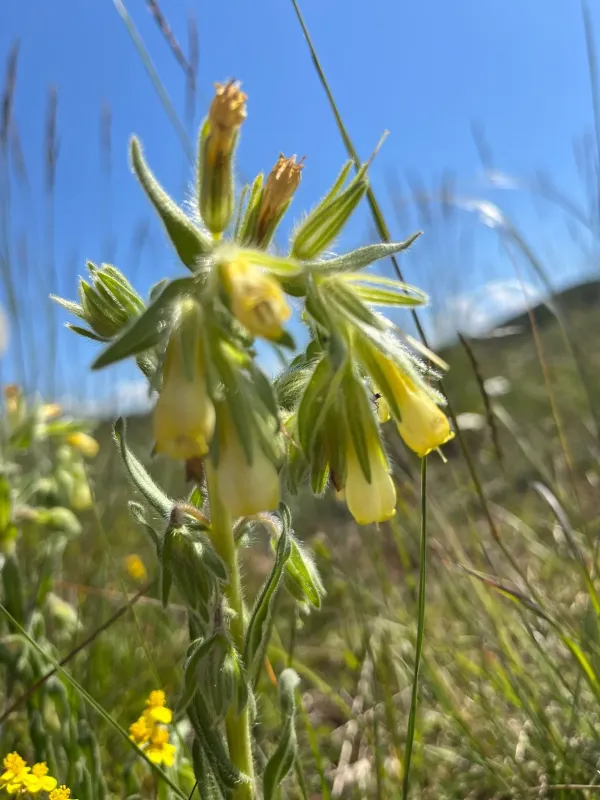
Description
Growing requirements
Onosma fastigiata is a herbaceous perennial belonging to the Boraginaceae family. Originally native to rocky and arid habitats, this plant has evolved distinct physiological adaptations that allow it to thrive in nutrient-poor environments where other crops typically struggle to survive.
The crop is characterized by its high heliophilic requirement. For optimal development, Onosma fastigiata requires full sun exposure throughout the day. Sufficient solar radiation is essential not only for biomass accumulation but also for maintaining the plant's characteristic structural integrity and secondary metabolite synthesis.
Regarding pedological conditions, the plant is highly sensitive to soil drainage. It performs best in light, rocky, or sandy substrates with good permeability. Soil compaction and high water retention are considered major limiting factors that can lead to root rot and significant stand loss during the growing season.
From a climate perspective, this species is highly resistant to drought. Its structural features, including dense trichomes covering the foliage, significantly reduce transpiration rates. This allows the plant to sustain productivity during prolonged heat waves, making it an interesting candidate for arid agriculture.
Botanically, the species is known for its deep root system, which anchors the plant in rocky soils and extracts water from deeper levels. While primarily recognized for its ecological importance, its role in modern agriculture involves potential use in xeriscaping and as a source of phytochemicals common in the Boraginaceae lineage.