
Onosma stellulata
Onosma stellulata
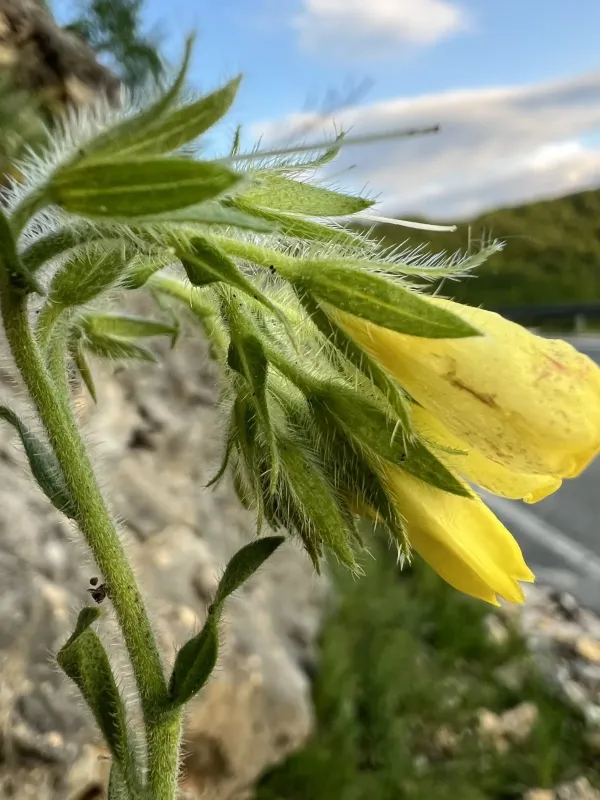
Description
Growing requirements
Onosma stellulata, belonging to the Boraginaceae family, is a perennial plant known for its ability to thrive in harsh, dry environments. It is native to rocky and steppe habitats where moisture levels are typically low.
The plant is distinguished by its dense covering of stellate (star-shaped) hairs, which provide a protective layer against transpiration and herbivory. Its stems emerge from a basal rosette, typical of the genus.
Agricultural success with this species depends on mimicking its natural environment: full sun exposure is non-negotiable. Soils should be well-drained, porous, and preferably alkaline or neutral in composition.
Water requirements are minimal; once established, the plant is highly drought-tolerant. Irrigation should only be applied during extreme heatwaves to prevent tissue wilting, provided the drainage is adequate.
Cultivation protocols suggest minimal soil disturbance. Since the plant is adapted to nutrient-poor soils, it does not require intensive fertilization, as this often leads to stunted growth or increased susceptibility to pests.
Main diseases and pests
The primary agricultural threat to Onosma stellulata is root rot, which occurs when the soil remains waterlogged for extended periods, especially during dormant seasons.
Aphids can become a problem during the spring growth phase. These insects cluster on tender stems and flower buds, potentially hindering the development of reproductive parts.
Fungal pathogens such as powdery mildew may appear in areas with poor airflow and high humidity. Ensuring wide spacing between rows is a simple yet effective prophylactic measure.
Snails and slugs can damage seedlings in the nursery phase. Protecting young plants with coarse mulch or physical barriers is recommended until they become established.
Integrated pest management strategies focusing on natural predators are preferred over systemic insecticides to maintain the ecological balance around the crop.