
Onosma arenaria
Onosma arenaria
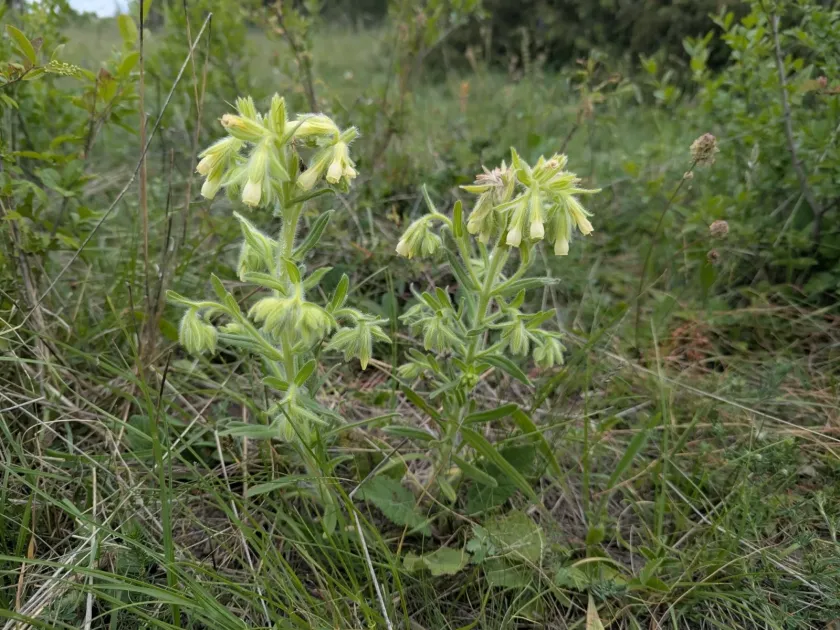
Description
Growing requirements
Onosma arenaria, commonly known as sandy onosma, is a perennial herbaceous plant classified within the Boraginaceae family. It is native to steppe regions, typically found on sandy soils and limestone outcrops, which reflects its high adaptation to arid environments.
The plant possesses a robust taproot system designed to extract water from deep soil layers, while its entire surface is covered with characteristic coarse, stiff hairs that minimize water loss and provide protection against intense solar radiation.
As an obligate heliophyte, this culture requires full sun exposure for optimal growth. It is perfectly suited for xeriscaping or agricultural production in regions where environmental stress prevents the cultivation of more demanding traditional crops.
Soil requirements are strict regarding drainage. It thrives in well-aerated, sandy or stony soils with a neutral to slightly alkaline pH. High water tables or heavy clay soils that retain moisture for long periods are unsuitable and will likely cause plant death.
Besides its ecological role, the plant has been explored for its potential in pharmaceutical applications due to the presence of secondary metabolites, specifically shikonin derivatives, which are often found in the roots of plants within the Onosma genus.
Main diseases and pests
The primary threat to the health of Onosma arenaria is the proliferation of soil-borne fungi, particularly in instances where soil drainage is inadequate. Excessive water creates the perfect conditions for root rot, which is often fatal.
Pathogenic organisms such as Rhizoctonia and Fusarium species are identified as the main causative agents for root and crown rot in these populations, often triggered by prolonged rainfall or irrigation management errors.
Insect pests such as aphids can cause damage during the early growth stages by feeding on succulent shoots. In severe cases, high populations can reduce the photosynthetic area, though the plant is generally resilient to occasional infestations.
Effective management relies on a strategy of prevention. Ensuring proper site selection with excellent drainage, implementing appropriate plant spacing to improve air circulation, and avoiding the overuse of synthetic fertilizers are crucial practices.
In cases of significant pest outbreaks, integrated pest management (IPM) techniques should be preferred over broad-spectrum chemical sprays, as the latter can disrupt the natural balance and affect the plant's overall vitality in its dry-soil environment.