
Onosma simplicissima
Onosma simplicissima
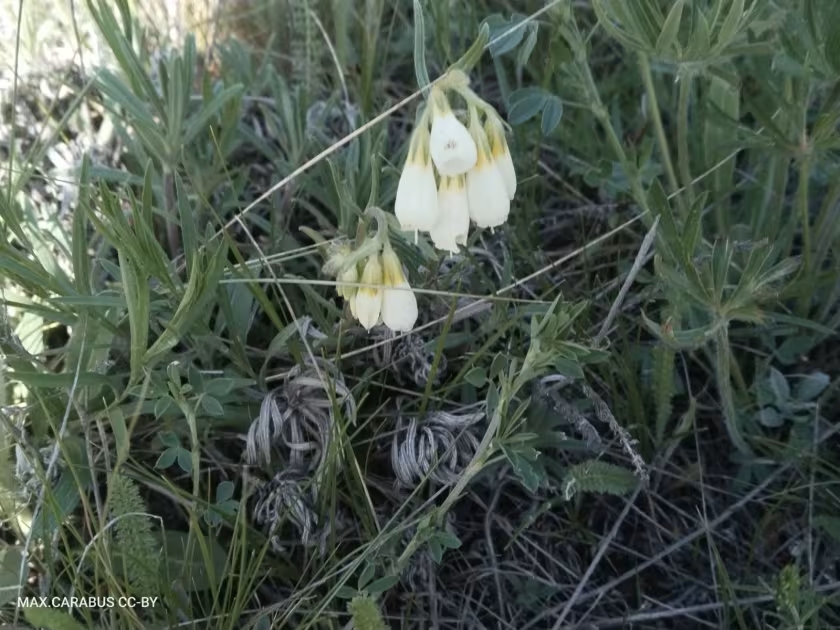
Description
Sowing dates
Onosma simplicissima is a perennial herbaceous plant belonging to the Boraginaceae family. In agricultural practice, seed sowing is typically performed in late autumn or early spring after a period of stratification, which is necessary to improve seed germination rates.
The plant features a well-developed root system; therefore, when sowing directly into the soil, it is essential to ensure a loose soil structure to prevent seeds from being buried too deeply. The optimal sowing depth is no more than 0.5–1 centimeter, covered with a light substrate.
When cultivating for seeds or therapeutic purposes, it is recommended to maintain a distance of at least 30–40 centimeters between rows. This spacing prevents competition among mature specimens, which grow into compact bushes over time.
Onosma seedlings develop quite slowly and require regular monitoring to keep the plots free from weeds. During the initial stages of vegetation, the crop is extremely sensitive to shading and excessive moisture, so the chosen plot should exclude areas prone to water stagnation.
Propagation is also possible vegetatively, although the seed method is considered the most effective for establishing full-scale plantations. Using high-quality seed material ensures uniform germination and subsequent successful development of the crop in the field.
Growing requirements
Onosma simplicissima is highly demanding of sunlight and prefers open, well-warmed sunny areas. In shaded conditions, the plant becomes leggy, loses its decorative appeal, and reduces the accumulation of bioactive compounds in its aerial parts.
The crop has specific soil requirements: it grows successfully in poor, sandy, stony, or calcareous soils. Ideally, it thrives in well-drained soils with a neutral or slightly alkaline pH level.
The plant possesses high drought resistance and winter hardiness, making it a promising crop for cultivation in regions with continental climates. Excessive moisture and heavy clay soils are detrimental to the root system, often leading to rot.
In the wild, it is found in steppe zones, on mountain slopes, and dry meadows, which necessitates the simulation of such conditions during cultivation. Fertilization should be done moderately, avoiding an excess of nitrogen fertilizers, which provoke excessive vegetative growth at the expense of winter hardiness.
The crop requires minimal maintenance throughout the season, limited to soil aeration and weed removal. High tolerance to adverse climatic factors allows for the use of Onosma in landscaping difficult areas with limited moisture.
Main diseases and pests
The primary threat to Onosma simplicissima consists of fungal diseases that develop under conditions of high air and soil humidity. Among these, root rots are the most common, resulting from poor drainage management on the plot.
Pests affecting this crop typically include various species of aphids that damage young inflorescences and terminal shoots. During mass pest outbreaks, leaf deformation and a decrease in the plant's overall immunity are observed.
To prevent the spread of diseases, it is necessary to strictly follow irrigation schedules and avoid overcrowding in the crops. It is important to ensure good air circulation between the plants, which is critical during rainy growing periods.
In case of the first signs of fungal infection, the application of broad-spectrum fungicides is recommended. To combat insect pests, it is advisable to use insecticides early, before the start of mass flowering, to protect pollinators.
Disease prevention involves choosing an appropriate planting site with the absolute requirement of excellent natural drainage. Constant monitoring of crop status allows for the rapid suppression of infection outbreaks and the preservation of the plant's yield.