
Caucasian goldenslope
Onosma caucasica
Description
Growing requirements
Caucasian goldenslope (Onosma caucasica) is a perennial herbaceous plant belonging to the Boraginaceae family. It is naturally distributed throughout the mountainous regions of the Caucasus, typically thriving in sunny, exposed rocky habitats.
The plant is a classic xerophyte, demonstrating remarkable tolerance to drought and nutrient-poor, stony soils. Cultivation success depends primarily on providing excellent soil drainage, as the species is highly susceptible to root decay if moisture stagnates.
For agricultural purposes, the plant requires open, full-sun exposure and does not tolerate competition from taller or more aggressive weed species. Alkaline to neutral, loose, and well-aerated substrates are the ideal environment for the development of its root system.
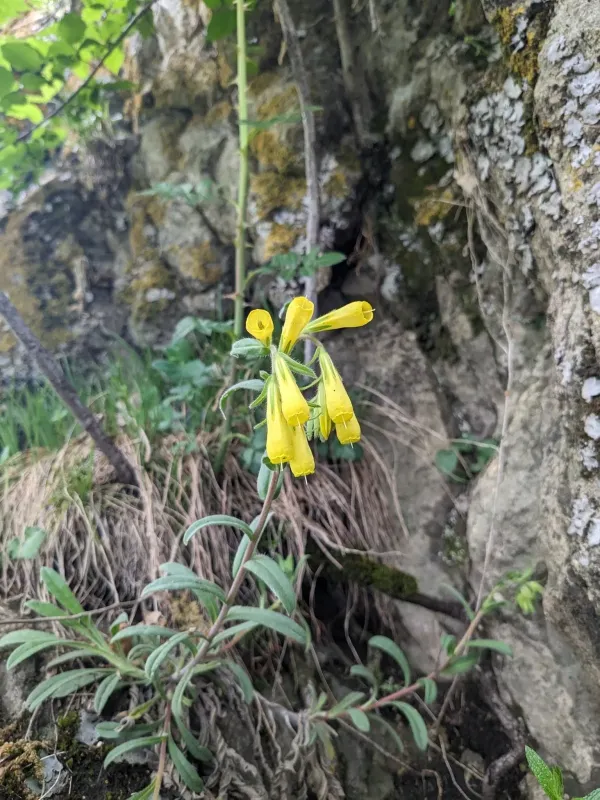
Botanically, it features a rosette of basal leaves and erect, hairy stems that provide structural protection against evaporation. Its tubular or bell-shaped yellow flowers bloom in late spring and early summer, attracting various pollinators including honeybees.
Economic uses include its potential in the pharmaceutical industry due to the presence of naphthoquinones and other valuable phytochemicals in its roots and aerial parts. Additionally, it is highly valued in horticulture for rock garden displays.
Main diseases and pests
The main threats to Onosma caucasica are fungal diseases, specifically root rots, caused by excessive soil moisture and poor air circulation. Proper site selection and elevated planting are essential preventive measures.
Pests such as spider mites may occur during periods of intense, dry heat, particularly in greenhouse or protected cultivation environments. Regular inspection of the foliage is recommended to maintain plant health.
Weed management is critical during the establishment phase, as the plant grows relatively slowly. Using an inorganic mulch, such as gravel or small pebbles, is the most effective way to suppress weed growth while maintaining appropriate moisture levels.
Soil-dwelling larvae can sometimes damage the roots, weakening the plant and increasing susceptibility to secondary infections. Implementing integrated pest management strategies is encouraged to maintain organic cultivation standards.
The plant demonstrates high overall resilience to most environmental pathogens when grown in its preferred ecological niche. By avoiding over-irrigation and maintaining high light levels, most disease and pest issues are easily mitigated.