
Onosma albo-rosea
Onosma albo-rosea
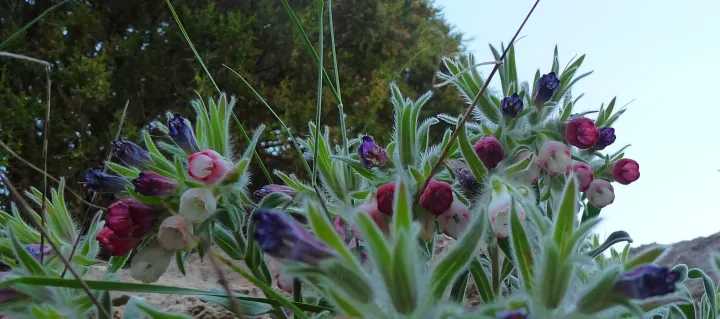
Description
Growing requirements
Onosma albo-rosea is a perennial herbaceous plant belonging to the Boraginaceae family. Known for its aesthetic appeal, it originates from high-altitude rocky regions, which significantly dictates its ecological requirements for successful cultivation.
The primary necessity for this plant is exceptionally well-draining soil. It is perfectly adapted to life on rocky, gravelly slopes and cannot withstand waterlogging. Even minimal standing water can lead to root rot within a very short timeframe.
This species thrives in full sun exposure. It requires high light intensity to maintain its compact growth form and to ensure abundant flowering. In shaded or semi-shaded areas, the plant tends to become leggy and loses its hardiness.
The soil should be sandy or stony, preferably with a neutral to slightly alkaline pH. The plant is inherently slow-growing and does not require high levels of soil nutrients. Excessive fertilization often harms the plant rather than helping it.
In terms of moisture, the plant is highly drought-tolerant once established. It is crucial to prevent the crown of the plant from staying wet during the winter months, as prolonged moisture in the cold season is a major limiting factor.
Main diseases and pests
The most significant threat to Onosma albo-rosea is fungal pathogens associated with soil humidity. Root and crown rot are common if the drainage is insufficient or if the plant is situated in low-lying, damp areas of the garden.
Powdery mildew can occasionally affect the foliage during humid and stagnant weather conditions. Proper plant spacing is essential to facilitate air movement around the leaves and prevent the development of these fungal spores.
While relatively pest-resistant, aphids can sometimes infest the budding shoots during the spring growth phase. Monitoring for these small insects is necessary to prevent them from sapping the plant's vitality during the critical flowering period.
Slugs and snails may occasionally graze on the succulent foliage, particularly in early spring. Protecting the plant with a top dressing of sharp grit or gravel around the base acts as an effective deterrent.
Maintenance should focus on preventative measures rather than chemical intervention. Keeping the plant in its preferred high-drainage environment is the best way to ensure long-term health and immunity against typical horticultural pests.