
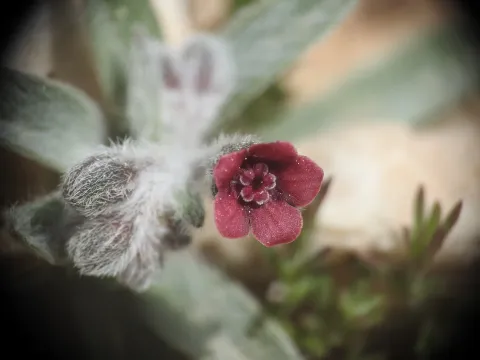
Paracaryum
Paracaryum
Seeds of Paracaryum are typically sown during the spring season when soil temperatures remain stable between 10–12 degrees Celsius. Ensuring appropriate moisture levels during the germination phase is critical for breaking seed dormancy.
What the section contains


Paracaryum
Using the seedling method is recommended for better control over early growth stages. This approach increases the survival rate of young plants when they are eventually transplanted into their permanent outdoor locations.
Spacing should be maintained at 30–40 centimeters between individual plants. This distance allows for optimal nutrient uptake and promotes air circulation, which is vital for the health of the species.
In natural habitats, Paracaryum propagates via natural seed drop. Under controlled cultivation, seeds should be harvested once fully mature and stored in dry, cool conditions to maintain viability for future seasons.
Fall sowing is an alternative that allows seeds to undergo natural stratification in the soil. This can lead to more vigorous spring growth but requires careful site preparation to prevent seeds from washing away.
Paracaryum belongs to the Boraginaceae family and is known for its high adaptability to arid and semi-arid environments. It thrives in locations with full sunlight and clear exposure to the sky throughout the day.
The plant prefers light, sandy, or rocky soils with excellent drainage properties. Soils that retain too much water are unsuitable, as they significantly increase the risk of root rot and other moisture-related diseases.
This species is highly drought-tolerant, requiring minimal supplemental irrigation once the root system is established. It is an ideal candidate for low-maintenance agricultural systems in dry climates.
A neutral to slightly alkaline pH, ideally between 6.5 and 7.5, is optimal for growth. Soil structure is more important than soil fertility, as the plant is not a heavy feeder and can thrive on poor soils.
Regular maintenance involves light weeding and soil cultivation to maintain surface porosity. This aeration process assists in managing soil temperatures and reducing evaporation around the base of the plant.
Fungal pathogens such as powdery mildew represent the primary disease threat, especially during periods of high humidity. Proper plant spacing is the most effective preventative measure against such outbreaks.
Root rot is the most common cause of failure in Paracaryum cultivation. It is typically associated with poor soil drainage and waterlogging, necessitating careful site selection before planting.
Pests like aphids and spider mites can infest the foliage, particularly during dry spells. Regular monitoring and, if necessary, the application of horticultural soaps can manage these populations.
Slugs and snails can cause significant damage to young seedlings. Implementing physical barriers, such as crushed stone or grit mulch, can discourage these pests from approaching the base of the plants.
Sanitation practices, including the removal of dead or dying tissue at the end of the season, are crucial. Clearing the area reduces the habitat available for pests and fungi to survive through the winter.