
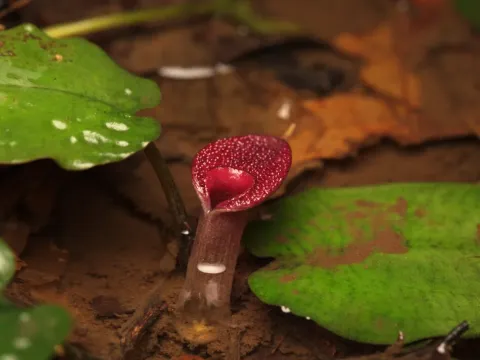
Cryptocoryne
Cryptocoryne
Cryptocoryne is a genus of perennial herbaceous plants belonging to the Araceae family. These plants are native to the tropical regions of Southeast Asia, where they thrive in diverse habitats, including riverbanks, stream margins, and marshy wetlands.
What the section contains
 Cryptocoryne beckettii
Cryptocoryne beckettii
Cryptocoryne beckettii
 Cryptocoryne bullosa
Cryptocoryne bullosa
Cryptocoryne bullosa
 Cryptocoryne ciliata
Cryptocoryne ciliata
Cryptocoryne ciliata
 Cryptocoryne consobrina
Cryptocoryne consobrina
Cryptocoryne consobrina
 Cryptocoryne cordata
Cryptocoryne cordata
Cryptocoryne cordata
 Cryptocoryne crispatula
Cryptocoryne crispatula
Cryptocoryne crispatula
 Cryptocoryne griffithii
Cryptocoryne griffithii
Cryptocoryne griffithii
 Cryptocoryne hybrids
Cryptocoryne hybrids
Cryptocoryne hybrids
 Cryptocoryne moehlmannii
Cryptocoryne moehlmannii
Cryptocoryne moehlmannii
 Cryptocoryne nevillii
Cryptocoryne nevillii
Cryptocoryne nevillii
 Cryptocoryne parva
Cryptocoryne parva
Cryptocoryne parva
 Cryptocoryne pontederiifolia
Cryptocoryne pontederiifolia
Cryptocoryne pontederiifolia
 Cryptocoryne purpurea
Cryptocoryne purpurea
Cryptocoryne purpurea
 Cryptocoryne pygmaea
Cryptocoryne pygmaea
Cryptocoryne pygmaea
 Cryptocoryne retrospiralis
Cryptocoryne retrospiralis
Cryptocoryne retrospiralis
 Cryptocoryne sivadasanii
Cryptocoryne sivadasanii
Cryptocoryne sivadasanii
 Cryptocoryne spiralis
Cryptocoryne spiralis
Cryptocoryne spiralis
 Cryptocoryne striolata
Cryptocoryne striolata
Cryptocoryne striolata
 Cryptocoryne undulata
Cryptocoryne undulata
Cryptocoryne undulata
 Cryptocoryne usteriana
Cryptocoryne usteriana
Cryptocoryne usteriana
 Cryptocoryne walkeri
Cryptocoryne walkeri
Cryptocoryne walkeri
 Cryptocoryne willisii
Cryptocoryne willisii
Cryptocoryne willisii
Cryptocoryne
The botanical structure of Cryptocoryne is marked by a robust rhizome and rosettes of leaves. Their leaf morphology is highly variable, often demonstrating significant phenotypic plasticity depending on light intensity, water depth, and substrate nutrient content.
Cultivation of Cryptocoryne requires a substrate rich in organic matter and clay minerals. The root system is sensitive to substrate compaction, so a porous, nutrient-dense medium is essential to support the development of extensive root networks.
Regarding climatic requirements, these plants prefer tropical temperatures ranging between 22°C and 28°C. They are highly sensitive to sudden changes in hydrochemical parameters, which can induce rapid shedding or melting of foliage known as crypt melt.
Agrotechnical management involves maintaining stable water quality and soil chemistry. Regular monitoring of nitrate and phosphate levels is necessary to balance growth rates and prevent the overgrowth of competing algal species that compete for resources.
The primary threat to Cryptocoryne is not a traditional pathogen but a physiological collapse triggered by environmental stress. This condition leads to the rapid disintegration of leaf tissues, often confused with bacterial decay.
Pest management is crucial for greenhouse-grown plants, where aphids and spider mites can infest exposed foliage. These insects puncture plant cells to feed on sap, which severely weakens the plant's structural integrity.
Fungal pathogens can colonize the foliage in high-humidity environments with stagnant air. Maintaining proper airflow and sanitation protocols within the greenhouse is the most effective way to prevent the spread of mold and mildew.
Root rot is a common issue caused by anaerobic soil conditions, typically resulting from improper substrate aeration or excessive fertilization. Over-accumulation of heavy metals or pollutants in the soil can also lead to systemic toxicity.
Prevention includes the use of balanced aquatic fertilizers and the removal of decaying organic matter from the base of the plants. Biological control methods are preferred over systemic chemicals to maintain the delicate balance of the plant's ecosystem.