
Cryptocoryne walkeri
Cryptocoryne walkeri
Description
Growing requirements
Cryptocoryne walkeri is a perennial aquatic plant belonging to the Araceae family. Native to the island of Sri Lanka, it typically grows along riverbanks and in shallow waters, often being exposed during the dry season, which confirms its semi-aquatic nature.
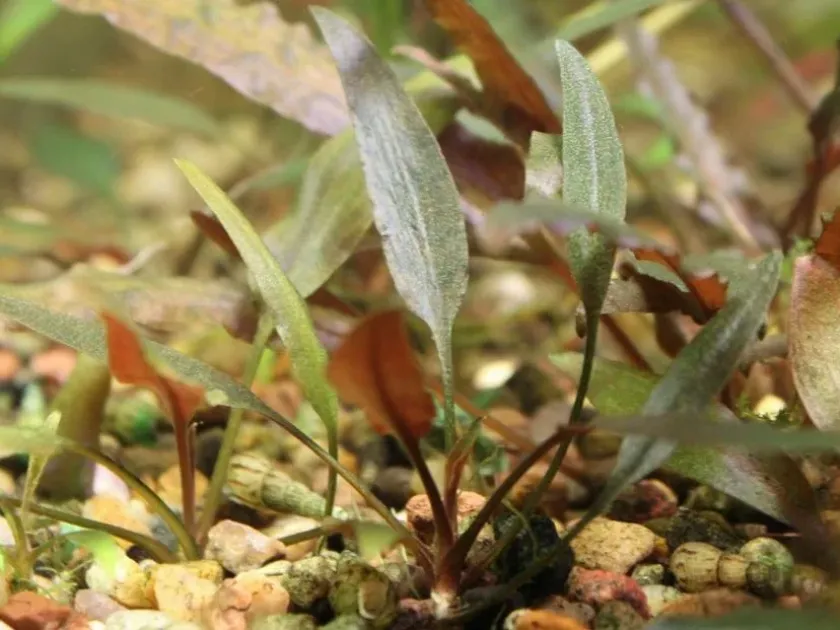
The plant features lanceolate, textured leaves that range from bright green to deep bronze-brown, depending on light intensity and nutrient levels in the environment. Its rhizomatous growth allows it to form dense colonies under optimal conditions.
Optimal development is achieved in water temperatures between 22 and 28 degrees Celsius. The species is known for its moderate adaptability, but it performs best in stable, slightly acidic to neutral water environments with moderate hardness.
A nutrient-rich substrate is essential for the healthy growth of this species. Incorporating clay-based fertilizers or root tabs ensures that the powerful root system receives the necessary minerals, promoting robust vegetative reproduction via runners.
Lighting should be kept at a moderate level to prevent algal blooms. While the plant can survive in low-light conditions, providing an 8–10 hour light cycle with full-spectrum lighting helps maintain the vibrant color of its leaves.
Main diseases and pests
The most significant threat to this species is known as "crypt melt." This is a physiological stress response triggered by sudden changes in water parameters, such as pH fluctuations or shifts in light intensity, leading to the disintegration of leaf tissue.
Snails and other herbivorous aquatic invertebrates can physically damage the leaves. Careful selection of aquarium inhabitants is advised to prevent the foliage from being grazed upon by more aggressive species.
Nutrient deficiencies, particularly involving iron and potassium, often manifest as yellowing or necrotic spots on the leaf blades. This condition weakens the plant, making it more susceptible to opportunistic pathogens or secondary infections.
Accumulation of organic detritus in the substrate can cause the rhizome to rot, especially if water circulation is insufficient. Proper maintenance and regular substrate cleaning are necessary to sustain the health of the plant.
Algal competition, such as hair algae or black beard algae, poses a secondary threat by covering the leaves and inhibiting photosynthesis. Effective nutrient management and regular water changes are the primary methods for preventing such infestations.