
Cryptocoryne ciliata
Cryptocoryne ciliata
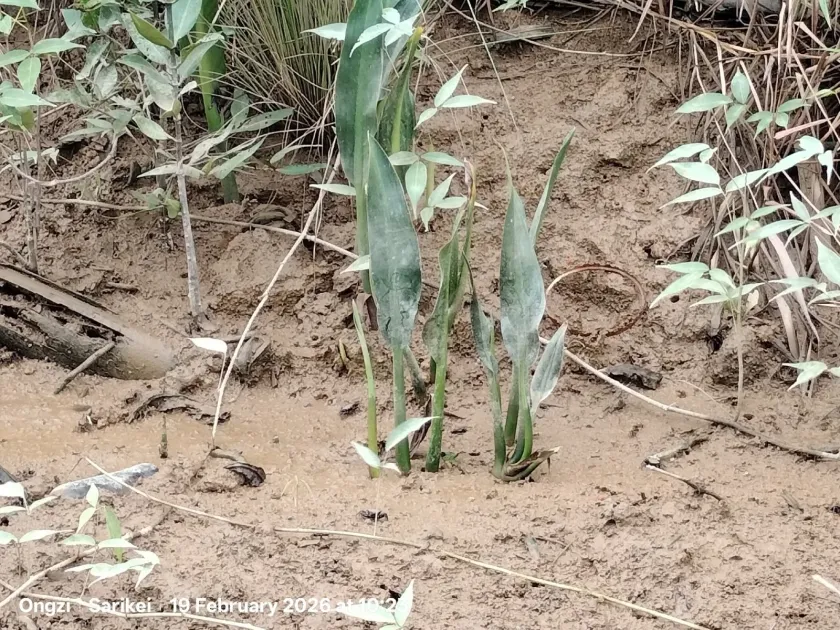
Description
Growing requirements
Cryptocoryne ciliata belongs to the Araceae family and is recognized as a hardy marginal aquatic plant. Its native habitat spans from India to the Philippines, where it thrives in brackish water, estuaries, and riverbanks, demonstrating remarkable ecological flexibility.
The plant requires a stable tropical climate to reach its full development potential. The ideal water temperature range is between 22°C and 28°C. Consistent thermal management is crucial for maintaining metabolic processes and preventing shock to the root system during growth cycles.
Regarding soil requirements, this crop demands a nutrient-dense substrate. It flourishes in soils rich in organic matter and iron. When cultivated in artificial environments, it is essential to use fertilizers that focus on root development, as the plant obtains the majority of its nutrients through its extensive underground rhizome system.
Light intensity is a critical factor for successful cultivation. While the plant can tolerate low light levels, moderate to high intensity is recommended to ensure robust leaf growth and vivid coloration. Farmers should aim for a photoperiod of 10 to 12 hours daily for optimal biomass production.
Propagation is predominantly achieved through vegetative division. The plant produces long stolons that develop into daughter plants. In commercial production, these stolons are harvested once they have developed sufficient roots, ensuring that each new plantlet has a higher survival rate during the transfer process.
Main diseases and pests
The primary concern for commercial cultivators is the "Cryptocoryne rot," often triggered by drastic environmental fluctuations. This physiological disorder causes the leaves to lose structure and liquefy, which can rapidly spread through the entire crop if conditions are not stabilized immediately.
While disease resistance is generally high, poor water quality can lead to significant infestations of algae, which compete with the crop for nutrients and light. Maintaining high water quality through filtration and regular monitoring of mineral levels is the standard practice for disease and pest prevention.