
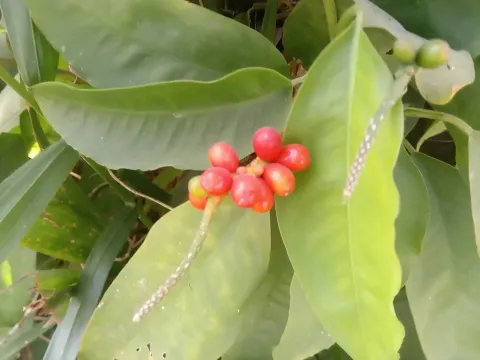
Culcasia
Culcasia
Culcasia is a genus of evergreen perennial plants belonging to the Araceae family. These plants are native to the tropical regions of Africa, where they typically grow in dense, humid forests. They often exhibit a hemiepiphytic growth habit, utilizing other trees as structural support to reach favorable light conditions.
What the section contains


Culcasia
Botanically, Culcasia is characterized by its distinct, often leathery leaves and a climbing stem system. The root system is relatively shallow, adapted to drawing nutrients from the top layer of tropical soil and accumulated organic detritus on tree surfaces, which makes soil structure a key factor in their health.
The cultivation of Culcasia requires a climate that mimics its natural tropical habitat. It thrives in environments with high humidity and consistent temperatures. Providing a stable environment without sudden fluctuations is essential for maintaining the vigor of the plant throughout the entire year.
When selecting a planting medium, it is crucial to use a well-draining, nutrient-rich soil mix. A mixture consisting of peat, pine bark, and perlite is often ideal to ensure both moisture retention and proper aeration, which are necessary to prevent the root suffocation common in heavy, compacted soils.
Light requirements for Culcasia are moderate to low, as these plants are naturally adapted to the filtered light of the forest floor. Direct, intense sunlight should be avoided to prevent leaf scorch, while extremely dark conditions will lead to elongated, weak stems and a loss of the plant's natural vibrancy.
The most common health issues for Culcasia are associated with poor moisture management. Root rot caused by fungal pathogens thrives in waterlogged soil, making it the primary threat to the plant's survival. Preventive measures include strict adherence to irrigation schedules and ensuring excellent pot drainage.
Common pests affecting the genus include spider mites and scale insects. These pests are particularly problematic in dry indoor environments where the natural humidity is lacking. Regular inspection of the undersides of leaves and maintaining optimal air moisture levels are the best strategies for pest control.