
Cryptocoryne retrospiralis
Cryptocoryne retrospiralis
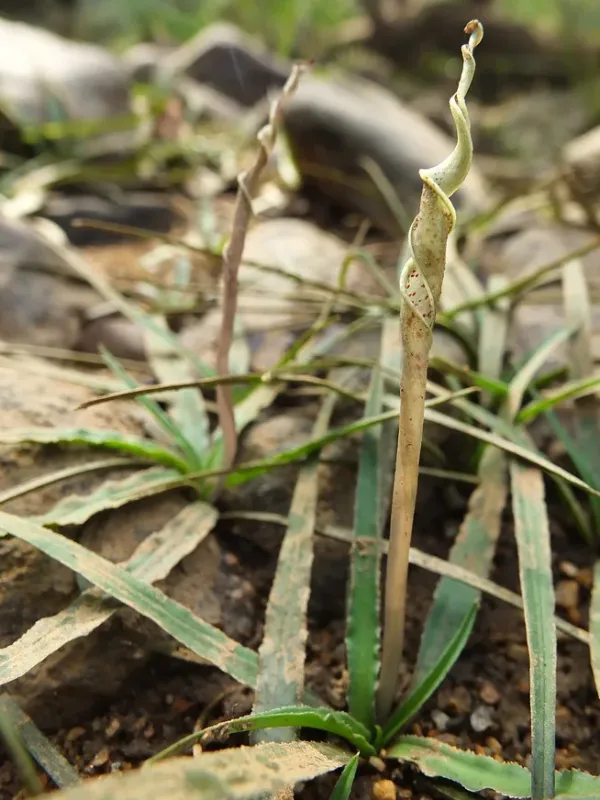
Description
Growing requirements
Cryptocoryne retrospiralis is a perennial marsh plant belonging to the Araceae family. Originating from the riverbanks of India and Southeast Asia, it is highly adapted to environments that experience seasonal flooding and fluctuating water levels.
Botanically, it is recognized by its long, lanceolate, and slightly wavy leaves that form a rosette. The root system is robust, allowing the plant to thrive in nutrient-rich sandy or silty substrates, which are typical for its native riverine habitats.
In a cultivated environment, the species thrives at temperatures ranging from 22 to 28 degrees Celsius. Providing a fertile substrate is essential, as this species primarily absorbs nutrients through its extensive root system rather than through its leaves.
Lighting requirements are moderate; the plant does not require high-intensity light to grow effectively. Too much light can actually encourage the growth of algae on the leaves, which significantly impacts the plant's health and aesthetic appeal.
Stability is the key to successfully keeping this plant. It is notorious for its intolerance to frequent changes in water chemistry, including pH levels, hardness, and mineral content. Avoiding unnecessary relocation is crucial for long-term survival.
Main diseases and pests
The most significant threat to this culture is known as the "Cryptocoryne melt" or disease. This phenomenon, where leaves suddenly turn to mush, is usually triggered by environmental shocks or improper acclimatization when first introducing the plant.
Biofilm and algae accumulation are common threats when water circulation is insufficient. Ensuring steady current helps maintain nutrient distribution and prevents organic matter from settling on the delicate leaf surfaces.
Invertebrates, such as large snails, can occasionally pose a threat by feeding on the soft leaf tissues. Monitoring the tank population and ensuring the plant has enough nutrients to grow faster than it is consumed is a vital management strategy.
Iron deficiency is another common issue, characterized by yellowing or chlorosis of the leaves. Regular application of root tablets or liquid fertilizers specifically designed for aquatic plants can prevent these nutrient-related problems.
Poor water quality, specifically high nitrate levels, can inhibit healthy vegetative growth. Routine maintenance, including testing and partial water changes, ensures that the chemical parameters remain within the optimal range for the species.