
Cryptocoryne beckettii
Cryptocoryne beckettii
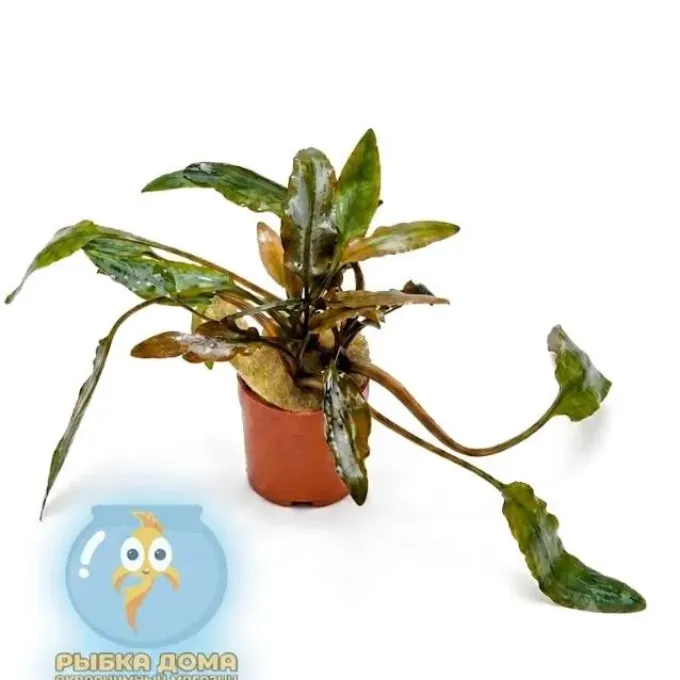
Description
Growing requirements
Cryptocoryne beckettii is an aquatic herbaceous plant belonging to the Araceae family. Native to Sri Lanka, this species naturally inhabits the shaded banks and shallow streams of tropical forests, often thriving in both submerged and emersed conditions.
The plant requires stable water conditions with temperatures ranging from 22°C to 28°C. While it is adaptable, maintaining a stable pH between 6.0 and 7.5 helps ensure optimal leaf coloration and overall health. Soft to medium-hard water is preferred for commercial cultivation.
Regarding soil requirements, this species benefits from a nutrient-rich substrate. Using fine-grained soil or a mixture enriched with peat and clay provides the necessary foundation for the extensive root system to thrive and uptake essential minerals.
Light intensity should be moderate to prevent unwanted algae growth. Cryptocoryne beckettii is known for its ability to adapt to varying light levels, but consistent light exposure for 8 to 10 hours daily is standard for maintaining growth rates in nurseries.
Propagation is primarily vegetative. Healthy mother plants produce runners that develop small plantlets along the rhizome. Once these plantlets establish their own root systems, they can be separated and replanted to expand the cultivation area.
Main diseases and pests
The most significant challenge for growers is the condition commonly known as "crypt melt" or "crypt disease." This physiological response causes leaves to disintegrate rapidly, usually triggered by sudden environmental shifts, such as changes in water chemistry or temperature.
Pests like aphids or spider mites can pose a threat when plants are cultivated in emersed (paludarium) conditions. Regular inspections and maintaining proper humidity levels are effective strategies to prevent infestation and keep the foliage healthy.
Fungal infections can develop if the substrate becomes anaerobic, often due to improper water circulation or organic buildup. Maintaining an oxygenated root zone is essential to prevent rhizome rot and ensure the longevity of the plant population.
Nutrient deficiency is another common issue, often manifesting as yellowing leaves (chlorosis). Implementing a balanced fertilization schedule, with a focus on iron and potassium, is necessary to support the metabolic functions of the plant.
To mitigate these risks, growers should prioritize environmental stability above all else. Sudden alterations in light, nutrient concentrations, or substrate composition should be strictly avoided to prevent triggering the plant's stress-induced decline.