
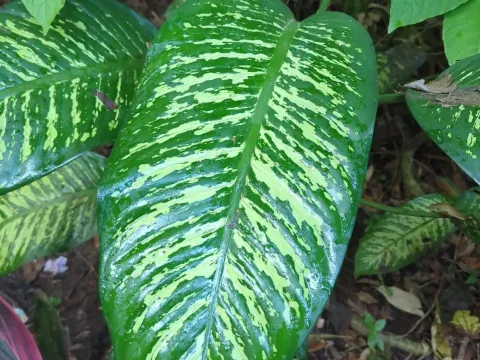
Dieffenbachia
Dieffenbachia
Dieffenbachia is a genus of tropical plants belonging to the Araceae family, widely cultivated for its ornamental foliage in controlled greenhouse environments. The species originates from the tropical regions of Central and South America.
What the section contains


Dieffenbachia
The crop thrives in warm environments with temperatures ranging from 18°C to 25°C. Exposure to sudden temperature drops or direct cold drafts can result in physiological stress and rapid leaf tissue damage, particularly in younger specimens.
Agricultural success depends on high-quality, well-drained, and slightly acidic soil. The ideal substrate is rich in organic matter, such as high-quality peat moss, mixed with perlite or vermiculite to ensure optimal gas exchange at the root level.
Lighting requirements involve bright, indirect exposure. Intense direct sunlight can scorch the leaves, leading to aesthetic degradation, whereas insufficient light causes the plants to become leggy and lose their characteristic leaf patterns.
Consistent moisture management is vital for industrial production. Irrigation should be performed when the top layer of the substrate becomes slightly dry, avoiding waterlogged conditions which are catastrophic for the root system.
Common pests affecting Dieffenbachia include spider mites, aphids, mealybugs, and scale insects. These pests feed on sap, weakening the plant and potentially transmitting viral or bacterial pathogens through puncture wounds.
Bacterial soft rot, caused by Erwinia species, is the most destructive disease. It manifests as mushy, foul-smelling spots on the stems and leaves, often favored by poor sanitation and excessive soil moisture.
Management of diseases relies on strict sanitation protocols, including the sterilization of tools and the use of pathogen-free growing media. Affected plants should be immediately isolated or culled to prevent the spread of infection.
Integrated pest management (IPM) practices involve the careful use of systemic insecticides and miticides, alongside biological controls such as predatory mites to manage pest populations effectively.
Fungal leaf spot diseases may appear in high-humidity conditions with poor airflow. Improving ventilation within the growing area is essential for maintaining a healthy microclimate and preventing the colonization of opportunistic fungi.