
Cryptocoryne hybrids
Cryptocoryne hybrids
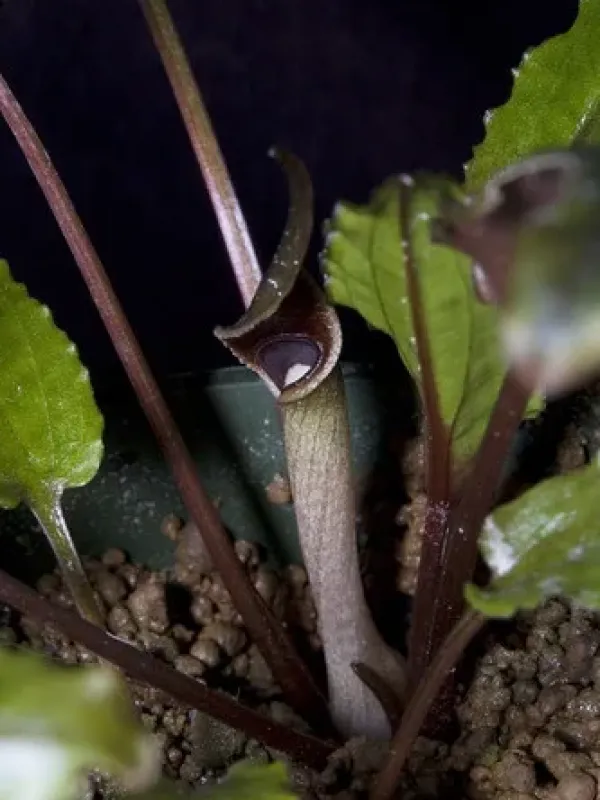
Description
Growing requirements
Cryptocoryne hybrids are perennial wetland plants belonging to the Araceae family. These plants are widely cultivated commercially for the global aquarium and aquascaping market due to their resilience and aesthetic appeal.
The substrate plays a vital role in the cultivation of these hybrids. A nutrient-rich, fine-grained substrate is necessary to provide support for the adventitious root system and supply essential minerals for long-term health.
Water parameters must be maintained with high consistency. A pH range between 6.0 and 7.5 is generally optimal, alongside a stable water hardness level that prevents the plant from experiencing the shock of rapid environmental shifts.
Temperature management is crucial, with a preferred range of 22 to 26 degrees Celsius. Deviations from this range, especially sudden drops or increases, often trigger a physiological response known as the melt, where leaf tissues break down rapidly.
Light requirements for Cryptocoryne hybrids are moderate. While the plant can survive in lower light, excessive exposure to high-intensity light typically promotes algal growth, which outcompetes the plant for nutrients and damages leaf health.
Main diseases and pests
The most significant threat to the culture is the rapid disintegration of foliage, often called melting. This is primarily a stress response to changes in water chemistry, light intensity, or temperature, rather than a pathogen.
Snails and certain crustaceans are potential pests in aquatic settings, as they may graze on tender new growth. Effective pest management involves keeping the culture area free from uncontrolled invertebrate populations.
Nutrient deficiencies often manifest as chlorosis or leaf necrosis. Regular soil testing or water analysis is recommended to ensure that micronutrients like iron are available in sufficient quantities for plant health.
Algal competition represents a constant challenge in nurseries. Implementing proper flow patterns and ensuring the plant has adequate CO2 access helps it maintain a competitive edge over unwanted biological growth.
Good hygiene practices during the cultivation process, such as removing decaying organic material and preventing water stagnation, are the most effective ways to maintain a healthy and robust crop of Cryptocoryne.