
Cryptocoryne griffithii
Cryptocoryne griffithii
Description
Growing requirements
Cryptocoryne griffithii is a member of the Araceae family, native to the tropical wetlands and streams of Southeast Asia. This marsh plant is highly valued for its elegant, broad leaves that create a dense and lush appearance in a controlled aquatic environment.
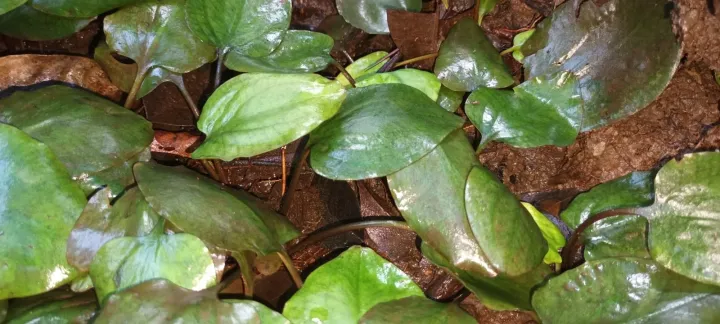
Botanically, it features thick, fleshy rhizomes that anchor the plant securely in the substrate. The foliage is typically ovate, displaying a rich green coloration, which makes it an ideal choice for the foreground or mid-ground of a professionally designed aquascape.
Successful cultivation requires water parameters that mimic its natural habitat. A pH range of 6.0 to 7.2 and soft to medium water hardness are ideal. Consistency is paramount, as the plant is notoriously sensitive to sudden fluctuations in water chemistry.
Optimal temperature levels for this species fall between 22°C and 27°C. Maintaining these conditions prevents physiological stress, ensuring that the plant allocates energy to steady leaf production rather than constant adaptation to environmental shifts.
The substrate must be nutrient-rich, containing sufficient iron and trace elements to support healthy growth. Using a high-quality aquatic soil or adding root tabs is recommended to provide the necessary nutrition for the development of a robust root system.
Main diseases and pests
The most significant threat is known as the "crypt melt" or cryptocoryne disease, where leaves turn into a mushy substance overnight. This is usually a stress response to radical changes in lighting, water parameters, or transplantation shock.
Algal blooms, particularly hair algae, represent a common challenge. These organisms thrive when nutrient levels in the water column are imbalanced or when lighting periods exceed the recommended daily duration of 10-12 hours.
Excessive organic waste buildup in the substrate can lead to anaerobic conditions, which causes root decay. Regular, gentle maintenance of the substrate surface helps ensure gas exchange and prevents the accumulation of harmful bacteria.
Nutrient deficiencies, specifically a lack of potassium or iron, often manifest as holes or yellowing in mature leaves. Addressing these deficiencies requires a balanced fertilization regimen tailored to the specific needs of aquatic plants.
Invasive snails, while often harmless, can damage new, tender leaves if their population goes unchecked. A balanced biological ecosystem is the best defense against pests that could potentially compromise the aesthetic integrity of the plant.