
Cryptocoryne willisii
Cryptocoryne willisii
Description
Growing requirements
Cryptocoryne willisii is a perennial aquatic plant belonging to the Araceae family. Originating from the island of Sri Lanka, it typically grows in humid environments along the margins of freshwater rivers and streams.
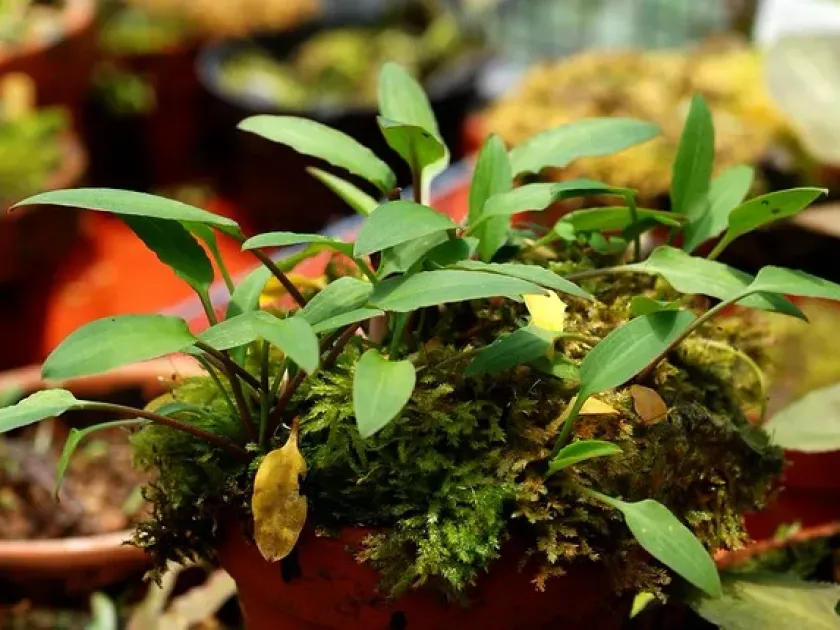
Botanically, it is characterized by compact, rosette-forming growth with lanceolate leaves. The leaf color typically ranges from bright green to brownish-olive, often featuring a distinct texture that adds aesthetic value to aquatic layouts.
Regarding climate requirements, this plant thrives in tropical temperatures between 22°C and 28°C. It is relatively adaptable, provided that the water chemistry remains stable and avoids sudden fluctuations in pH or hardness.
Soil quality is paramount for this species; a nutrient-rich substrate is essential to support its extensive root system. Incorporating clay-based fertilizers within the substrate will significantly improve the growth rate and color intensity of the foliage.
Lighting should be kept at a moderate level. While the plant can tolerate low light, excessive light intensity may encourage algal growth on the leaves, which hinders photosynthesis and detracts from the plant's health.
Main diseases and pests
The primary concern for this species is the well-known "cryptocoryne melt." This condition occurs when the plant undergoes severe stress from sudden environmental changes, such as moving the plant to a new tank or shifting water parameters.
During the melt, the leaves suddenly turn into a soft, gelatinous substance and disintegrate. Although the plant is not necessarily dead, it requires time and stable conditions to regrow from the healthy rhizome stored in the substrate.
Pests and pathogens primarily manifest as algae infestations. Common types like thread algae or black brush algae can attach to the leaves if the nutrient balance in the aquarium becomes imbalanced.
Poor soil conditions leading to root rot are also a significant threat. If the substrate becomes too compacted or lacks oxygen, the root system will begin to fail, which inevitably impacts the health of the entire plant.
To maintain plant vitality, gardeners should focus on stability rather than frequent interventions. Keeping water parameters consistent and ensuring regular, small water changes is the best defense against these physiological threats.