
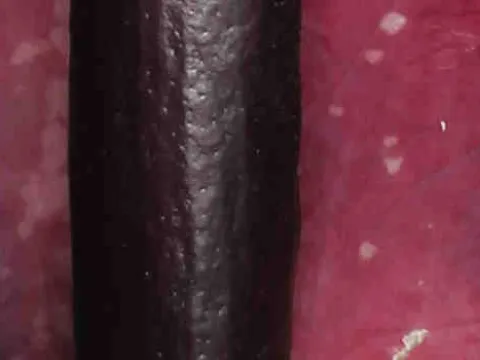
Dracunculus
Dracunculus
Planting of Dracunculus tubers should be conducted in the spring as soon as the soil has sufficiently warmed up.
What the section contains


Dracunculus
The tubers need to be planted at a depth of 10 to 15 centimeters to ensure stability and proper development of the root system.
Choosing a location that receives full sun is crucial for the optimal flowering of this exotic plant species.
Spacing between plants should be kept around 50 centimeters to prevent overcrowding and allow for adequate airflow around the foliage.
Early spring planting allows the plant to establish its root system before the onset of the hottest summer temperatures.
Dracunculus belongs to the Araceae family and requires fertile, well-drained soil to thrive throughout the growing season.
The plant has a distinct growth cycle, requiring a period of moist active growth followed by a dry dormancy period.
Excessive soil moisture is highly detrimental to the tubers, often leading to rot if drainage is not managed effectively.
Regular fertilization with balanced nutrients is recommended during the early stages of foliage development to support vigorous growth.
In regions with harsh winters, it is necessary to lift the tubers and store them in a cool, dry, and frost-free environment.
Fungal infections and rot are the primary threats to Dracunculus, usually stemming from waterlogged soil or poor drainage conditions.
Pests like aphids and spider mites can colonize the leaves during hot weather, potentially weakening the plant significantly.
Snails and slugs are known to feed on the emerging foliage, which may require the application of protective barriers in the garden.
Maintaining clean growing conditions and ensuring good soil structure are the most effective ways to prevent common plant diseases.
In cases of severe infestation or disease, appropriate fungicide or insecticide applications should be performed according to label guidelines.