
Cryptocoryne cordata
Cryptocoryne cordata
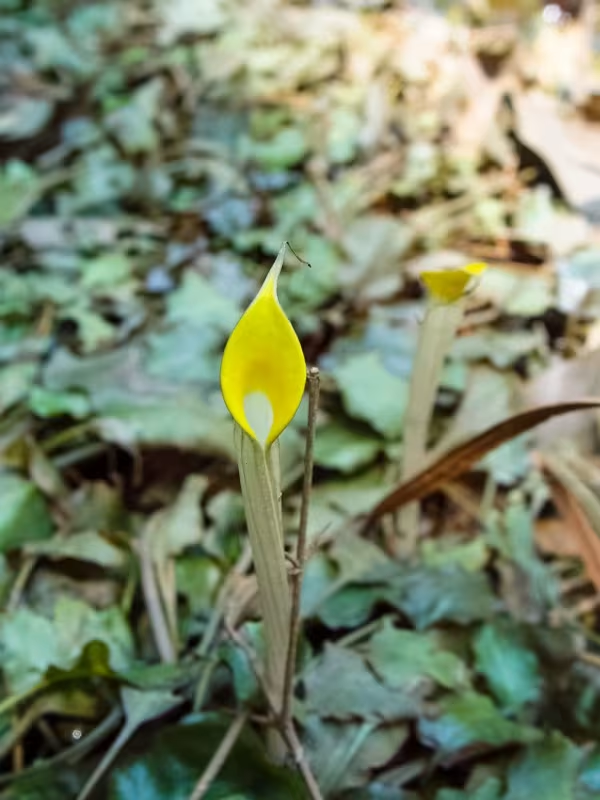
Description
Growing requirements
Cryptocoryne cordata is a perennial herb belonging to the Araceae family. This species is native to the tropical regions of Southeast Asia, particularly Malaysia and Indonesia, where it typically inhabits the banks of streams and rivers in shaded forest areas.
The plant is known for its distinct cordate (heart-shaped) leaves and a creeping rhizome system. Its aesthetic appeal lies in the color variation of its foliage, which ranges from bright green to bronze and reddish-brown, depending on the environmental conditions and light intensity.
To cultivate this plant successfully, one must provide stable water conditions with temperatures ranging from 22 to 26 degrees Celsius. It thrives in soft to medium-hard water and prefers a pH level between 6.0 and 7.5 to mimic its natural, slightly acidic riparian environment.
A nutrient-rich substrate is essential for Cryptocoryne cordata. Since the plant relies heavily on its roots to absorb nutrients, incorporating clay, peat, or specialized aquarium soil is highly recommended to promote robust growth and maintain vibrant leaf color.
Lighting should be kept at a moderate level. Cryptocoryne cordata does not perform well under high-intensity lighting, which often encourages algae growth on its leaves. Providing shade or using floating plants to diffuse the light can significantly benefit the plant's health.
Main diseases and pests
The most infamous issue associated with this species is "Crypt melt" (Cryptocoryne disease), a condition where leaves rapidly disintegrate and turn into mush. This usually occurs due to sudden shifts in water chemistry, temperature fluctuations, or after a major transplanting event.
Aquatic snails can occasionally pose a threat by feeding on young, tender leaves. While not usually fatal to a healthy plant, persistent damage can stunt development, making the plant more vulnerable to further infections or opportunistic algae infestations.
Substrate compaction and the buildup of organic waste can lead to rhizome rot. Proper circulation around the roots and regular, gentle maintenance of the substrate are necessary to prevent the accumulation of toxins that could weaken the root system.
Nutrient deficiencies, particularly regarding nitrogen and potassium, can cause yellowing and necrosis of older leaves. Providing root tabs or consistent liquid fertilization targeted at the substrate level is crucial for maintaining the long-term health and vigor of the specimen.
Prevention through stability is the key strategy for growers. By avoiding frequent redecorating or drastic water parameter changes, one can effectively maintain Cryptocoryne cordata colonies for many years in an aquarium setting without significant loss.