
Cryptocoryne striolata
Cryptocoryne striolata
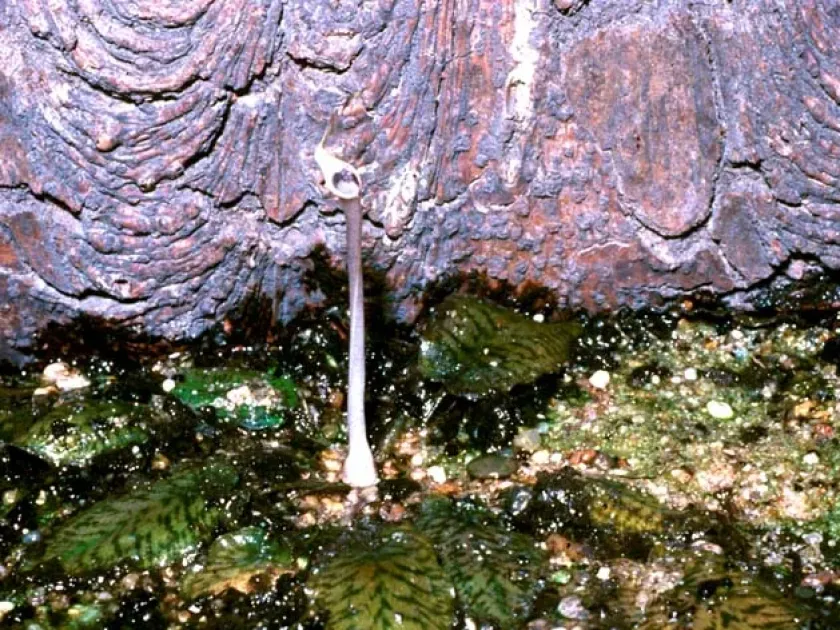
Description
Growing requirements
Cryptocoryne striolata is a perennial plant belonging to the Araceae family. This species originates from the tropical regions of Borneo, where it typically inhabits the banks of flowing streams and forest brooks, often growing submerged or emergent depending on the season.
Botanically, the plant is characterized by a rhizomatous root system and a rosette of leaves that exhibit a distinct striped pattern, from which the name is derived. The leaf shape can vary, but generally remains narrow and lanceolate.
Cultivation requires a nutrient-rich substrate that remains slightly acidic to neutral. Ensuring the soil has adequate drainage is crucial to prevent the roots from decaying, as the plant prefers moving water or well-aerated environments.
The plant thrives in temperatures ranging between 22 and 26 degrees Celsius. Stability is the most important factor in the care of this species; fluctuations in water chemistry or lighting can cause the plant to drop its leaves suddenly.
Lighting should be kept at a moderate level, as intense light may cause excess algae growth on the leaves. Providing a stable environment without sudden changes in pH or mineral composition is essential for a healthy root system and vigorous leaf production.
Main diseases and pests
The most common physiological challenge is the so-called "crypt melt," where the leaves dissolve due to abrupt changes in environmental conditions. This usually occurs when transferring the plant to new substrate or changing water chemistry too rapidly.
Fungal rot is a significant risk if the soil becomes compacted or if there is excessive decomposing organic matter. Maintaining proper water circulation and cleanliness in the growing area is vital to protect the rhizome.
Insects such as aphids and spider mites can attack the plants when they are grown in greenhouse conditions with insufficient humidity. Regular monitoring and maintaining high ambient humidity are effective preventive measures.
Gastropod pests, specifically aquatic snails, can cause mechanical damage by eating the young leaves. Integrated pest management, including physical removal or biological controls, is necessary to maintain leaf integrity.
Nutrient deficiency, particularly lack of iron or potassium, can lead to chlorosis or stunted growth. Using high-quality liquid fertilizers or root tabs helps to maintain the plant's health and vibrant appearance throughout its lifecycle.