
Cryptocoryne spiralis
Cryptocoryne spiralis
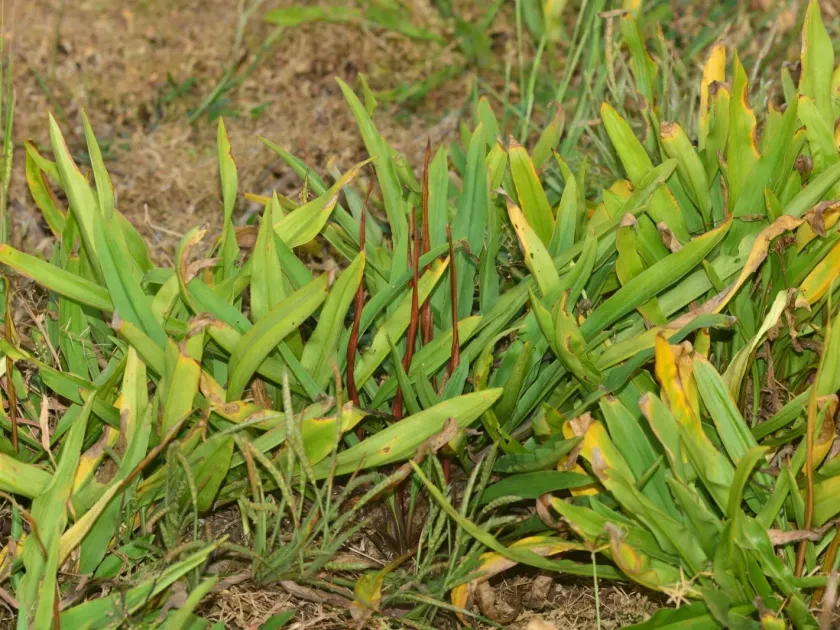
Description
Growing requirements
Cryptocoryne spiralis is a prominent perennial herbaceous plant belonging to the Araceae family. Native to the Indian subcontinent, it primarily inhabits wetland areas, riverbanks, and seasonal marshes, where it thrives in humid and aquatic environments.
Botanically, the species is distinguished by its elongated, lance-shaped leaves which exhibit considerable morphological variation based on water depth and light availability. The root system is robust, allowing the plant to anchor effectively in soft, nutrient-rich substrates common in its natural habitat.
Regarding climate and environment, it requires stable conditions with water temperatures ranging from 22°C to 28°C. While the plant can tolerate varying levels of light, intense or moderate illumination promotes healthy leaf coloration and ensures dense growth patterns throughout the growing cycle.
The soil requirements are specific: it prefers nutrient-dense, silt-based, or clay-heavy substrates. Ensuring the presence of essential trace elements within the substrate is critical, as Cryptocoryne species rely heavily on root-based nutrient uptake rather than just foliar absorption.
A successful cultivation strategy involves consistent water parameters and minimal disturbance to the root zone. Frequent relocation or sudden shifts in water chemistry often trigger physiological stress, necessitating a period of acclimatization to maintain the plant's structural integrity.
Main diseases and pests
The most significant physiological challenge is commonly referred to as "crypt melt" or "cryptocoryne disease." This condition manifests as rapid tissue necrosis and leaf disintegration, usually triggered by sudden environmental changes, fluctuations in pH, or transplanting shock.
Typical threats also include the infestation of herbivorous gastropods, which may consume tender foliage. Furthermore, improper light levels can lead to the overgrowth of filamentous or epiphytic algae, which significantly inhibits the plant's metabolic processes and photosynthetic capacity.