
Cryptocoryne bullosa
Cryptocoryne bullosa
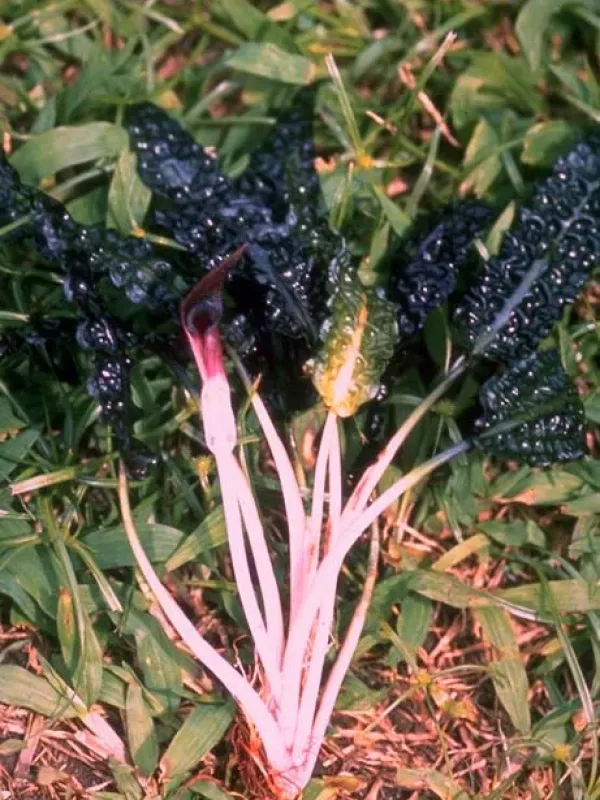
Description
Growing requirements
Cryptocoryne bullosa is a rare aquatic plant belonging to the Araceae family. In its natural habitat, it is a highly specialized hydrophyte native to the fast-flowing streams of the tropical rainforests on the island of Borneo.
The plant has strict requirements regarding its aquatic environment. The optimal temperature range for the culture's development is between 22 and 26 degrees Celsius, with a constant, gentle water flow being essential for its vitality.
For healthy growth, the plant requires soft to moderately hard water with a slightly acidic to neutral pH (6.0–7.2). A significant trait of this species is its sensitivity to rapid changes in water chemistry, which can trigger the so-called "cryptocoryne melt" or disease.
The substrate must be nutrient-rich and high in organic matter, yet porous enough to allow for good drainage. It is recommended to use fine-grained substrate and incorporate root fertilizers to support the vigorous development of the root system.
Lighting should be moderate or diffused. Direct exposure to intense light is detrimental to the species, as it encourages algae growth on the leaves, which significantly inhibits the plant's metabolic processes.
Main diseases and pests
The primary biological threat to this species is the rapid fluctuation of water parameters, resulting in the decomposition of the leaf blades. This is typically a physiological stress response rather than an infectious disease.
In aquarium cultivation, the plant is frequently prone to infestation by filamentous algae. High levels of organic waste coupled with poor water circulation can further lead to fungal infections on the rhizome sections.
Pests common to terrestrial crops are virtually non-existent, but if cultivated in paludariums, the plant may be susceptible to aphids or spider mites. Management involves careful leaf washing or biological control agents.
Nutritional imbalances lead to chlorosis, characterized by the yellowing of tissues between leaf veins. This indicates a deficiency in essential micronutrients, such as iron and magnesium, requiring an adjustment of the fertilizer composition.
Water stagnation and a lack of root aeration can result in rhizome and crown rot. Proactive management focuses on maintaining substrate cleanliness and ensuring minimal aeration through proper filtration systems.