
Cryptocoryne pontederiifolia
Cryptocoryne pontederiifolia
Description
Growing requirements
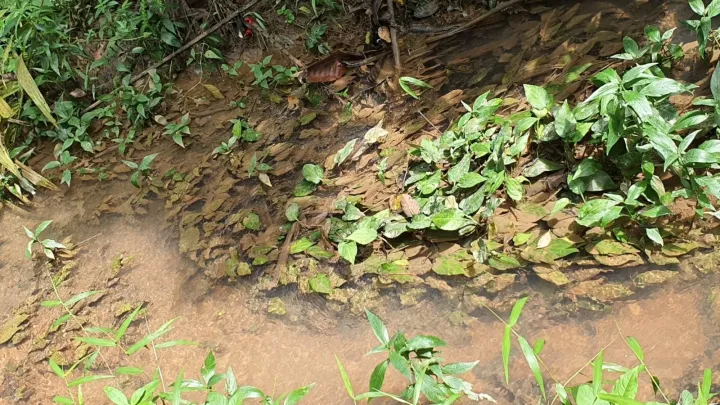
Cryptocoryne pontederiifolia is a notable aquatic species belonging to the Araceae family. Native to Sumatra, Indonesia, this plant thrives in the muddy, shaded riverbanks of tropical rainforests, which makes it a resilient choice for specialized aquatic cultivation.
The plant features lush, heart-shaped to ovate leaves attached to long, sturdy petioles. When grown under optimal lighting and nutrient conditions, it forms dense rosettes that can reach a height of approximately 30 centimeters, providing excellent cover for aquatic life.
The agricultural success of this crop depends heavily on the substrate. It prefers nutrient-rich soil or aquatic substrate supplemented with iron-rich root tabs. Because it is primarily a root feeder, the presence of organic matter in the substrate is essential for healthy leaf development.
Standard care requires maintaining a water temperature between 22°C and 28°C. While it is tolerant of various light intensities, low to medium lighting helps maintain the natural, vibrant green coloration of the foliage without triggering excessive algae growth on the leaves.
Regarding propagation and maintenance, the plant spreads via underground runners. In a managed aquarium environment, thinning is necessary to prevent crowding and nutrient depletion. Regular water changes are recommended to keep mineral levels stable and prevent environmental shocks.
Main diseases and pests
The most significant physiological threat is the condition known as "Cryptocoryne melt," where the leaves suddenly dissolve into a mushy state. This is typically triggered by sudden shifts in water chemistry, light exposure, or after moving the plant between different environments.
Pests such as snails are generally less of a direct threat to the foliage but can contribute to substrate destabilization. Furthermore, nutrient deficiencies, particularly regarding potassium or iron, may lead to chlorosis and stunted growth, making the plant vulnerable to secondary bacterial infections.